
Vegetable Biryani with Basmati Rice
Vegetable biryani with fluffy basmati rice, cauliflower, peas, and warming spices. Includes parboiling cues and a covered-steam method to keep the rice from turning mushy.
How to Make Vegetable Biryani with Basmati Rice
This vegetable biryani uses a two-stage rice method: a short boil, followed by covered steaming over spiced vegetables. Basmati rice is important for its separate long grains. Rinsing removes surface starch, and the brief soak helps the rice cook evenly once layered.
The vegetables should be almost tender and the sauce thick before the rice is added. A watery base keeps cooking the bottom layer and can turn it mushy. When parboiling, bite a grain rather than relying only on a timer: it should soften on the outside while retaining a distinctly firm center.
Low heat and a well-fitting lid finish the rice gently. The final covered rest lets moisture redistribute so you can lift the layers without mashing them. This is a practical Indian-inspired vegetable version; spice blends and layering methods vary widely across biryani traditions.
Planning the Rice and Vegetable Layers
Basmati grains should remain separate rather than cook into a creamy rice dish. Rinsing removes surface starch and soaking helps the grains hydrate before parboiling. Keep the vegetables in small, even pieces and follow the two-stage method: partially cook the rice separately, then let it finish over the seasoned vegetables under a fitted lid.
Resting and Fluffing Biryani
The covered rest is part of the process, not an optional delay before serving. It allows moisture to redistribute and makes the layers easier to lift. Open the pot carefully around escaping steam, then use a broad spoon to lift from the bottom in gentle sections. Serve portions containing both rice and vegetables rather than mixing vigorously until every grain is the same color.
Recommended Kitchen Equipment
Shop on AmazonRecommended kitchen tools for this recipe:
🛈 As an Amazon Associate, we earn from qualifying purchases at no extra cost to you.
Advertisement
Ingredients
- 1 1/2 cups (285g) basmati rice
- 2 tablespoons neutral oil
- 1 large onion, thinly sliced
- 3 cloves garlic, minced
- 1 tablespoon grated ginger
- 2 teaspoons garam masala
- 1/2 teaspoon ground turmeric
- 1/4 teaspoon chili powder, optional
- 2 cups small cauliflower florets
- 1 cup diced carrots
- 1 cup trimmed green beans cut into 1-inch lengths
- 1/2 cup frozen peas
- 1/2 cup plain whole-milk yogurt
- 1 1/4 teaspoons kosher salt, divided
- 1/3 cup water for vegetables, plus ample water for boiling rice
- 1/4 cup warm water for steaming
- 1/4 cup chopped mint and cilantro
Nutrition (Total)
Equipment Needed
- Heavy pot with tight lid
- Large saucepan
- Fine-mesh strainer
- Broad serving spoon

Before You Start
- •Rinse and soak the basmati rice before building the vegetable layer.
- •Cut the vegetables small enough to finish cooking during the steaming stage.
- •Choose a heavy pot with a tight-fitting lid before you start.
- •Measure the small water additions separately from the large pot of rice-boiling water.
Advertisement
Shop Fresh Ingredients
Shop on AmazonGet fresh ingredients delivered to your door:
🛈 As an Amazon Associate, we earn from qualifying purchases at no extra cost to you.
Instructions
Rinse and soak the rice
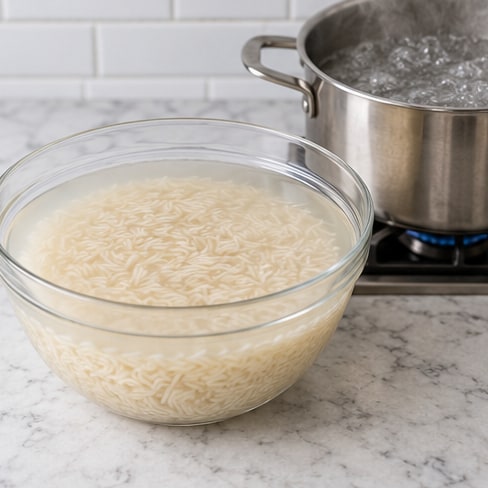
Rinse the basmati rice several times until the runoff is mostly clear. Soak in fresh water for 20 minutes, then drain. Meanwhile, bring a large saucepan of water to a boil.
Brown the onion
Heat the oil in a heavy pot over medium heat. Cook the onion for 12-15 minutes, stirring regularly, until golden brown. Set aside one-third for the topping. Add the garlic and ginger to the pot and stir for 30 seconds, then add the garam masala, turmeric, and optional chili powder.

Cook the vegetables
Add the cauliflower, carrots, green beans, peas, yogurt, 3/4 teaspoon salt, and 1/3 cup water. Cover and cook over medium-low heat for 8-10 minutes until the vegetables are nearly tender and the sauce is thick, stirring occasionally. Uncover briefly if liquid remains pooled at the bottom.

Advertisement
Parboil and layer
Add the remaining 1/2 teaspoon salt and the soaked rice to the boiling saucepan. Boil for 4-6 minutes until grains are partly tender with a firm center, then drain immediately. Spread rice evenly over the vegetables without stirring. Sprinkle with the reserved onions, herbs, and 1/4 cup warm water.

Steam and rest
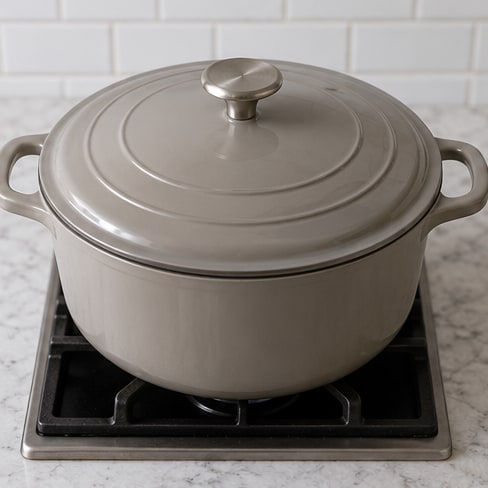
Cover tightly and cook on the lowest heat for 18-20 minutes. Turn off the heat and leave covered for 10 minutes. Check that the rice is tender; if still firm, sprinkle with 2 tablespoons hot water and steam for a few more minutes. Lift gently from the bottom to serve without breaking the grains.
Advertisement
Chef's Tips
- •Use a heavy pot to reduce scorching on the bottom.
- •Drain partly cooked rice immediately so it does not keep boiling.
- •Cool leftover rice promptly, refrigerate, and reheat until steaming hot throughout.
- •Stop the rice while its center is still slightly firm, since steaming in the covered pot completes the cooking.
- •Drain parboiled rice thoroughly; water carried into the layered pot changes the final texture.
- •Lift and fold the finished rice gently with a broad spoon rather than stirring it into a mash.
Frequently Asked Questions
Can I use regular long-grain rice?
Basmati gives the intended aroma and texture. Other rice varieties absorb water differently, so the timings may need adjustment.
Can I make it vegan?
Use a thick unsweetened plant-based yogurt that tolerates heat. The flavor and consistency may change slightly.
Why is my biryani mushy?
The rice may have been overboiled or the vegetables left too wet before layering. Stop parboiling while the centers are firm and reduce excess vegetable liquid.
Can I use a bag of frozen mixed vegetables?
Their moisture and cooking speed differ from the fresh vegetables listed. Use small pieces, avoid adding ice, and judge the vegetable layer before adding the rice; the result may be softer.
Why is the bottom catching before the rice is done?
The burner may be too hot or the pot too thin. Use gentle heat for the covered stage and the stated water additions. Do not keep scraping scorched bits into the upper rice.
What can I serve with vegetable biryani?
A plain yogurt side, cucumber salad, or a small serving of dal works well. These are separate accompaniments; the rice and vegetables already form the main dish.
Tags
Advertisement
Reviews (0)
Sign in to leave a review and rating!
You Might Also Like

One-Pot Chicken and Yellow Rice
Tender chicken and fluffy turmeric rice cooked together in one pot. A complete, flavorful meal that's perfect for busy weeknights!
Sheet Pan Sausage and Vegetables
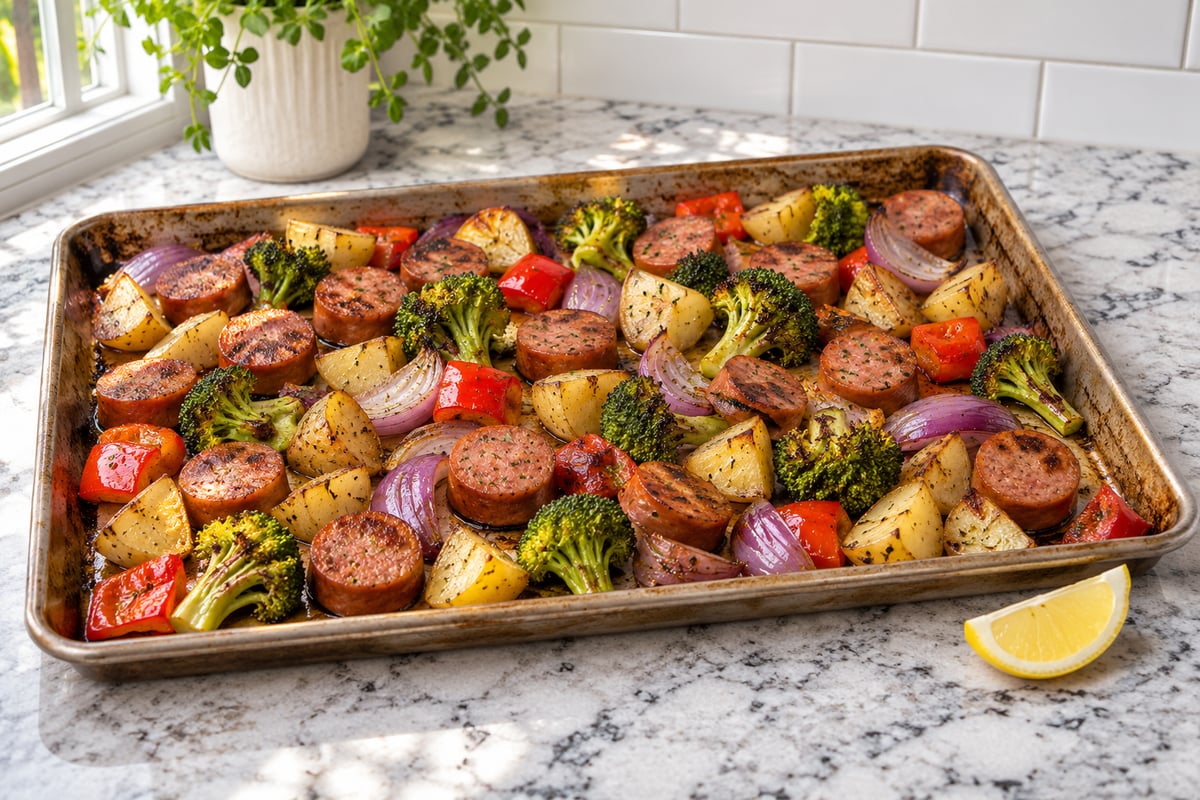
Fully cooked smoked sausage roasted with potatoes, broccoli, peppers, and onion. Staggered cooking keeps the vegetables from overcooking.

Easy Red Lentil Dal with Garlic and Cumin
A pantry-friendly red lentil dal with turmeric, tomatoes, and a garlic-cumin oil finish. No soaking required, with tips for adjusting thickness and serving it with rice.