
Pad Thai
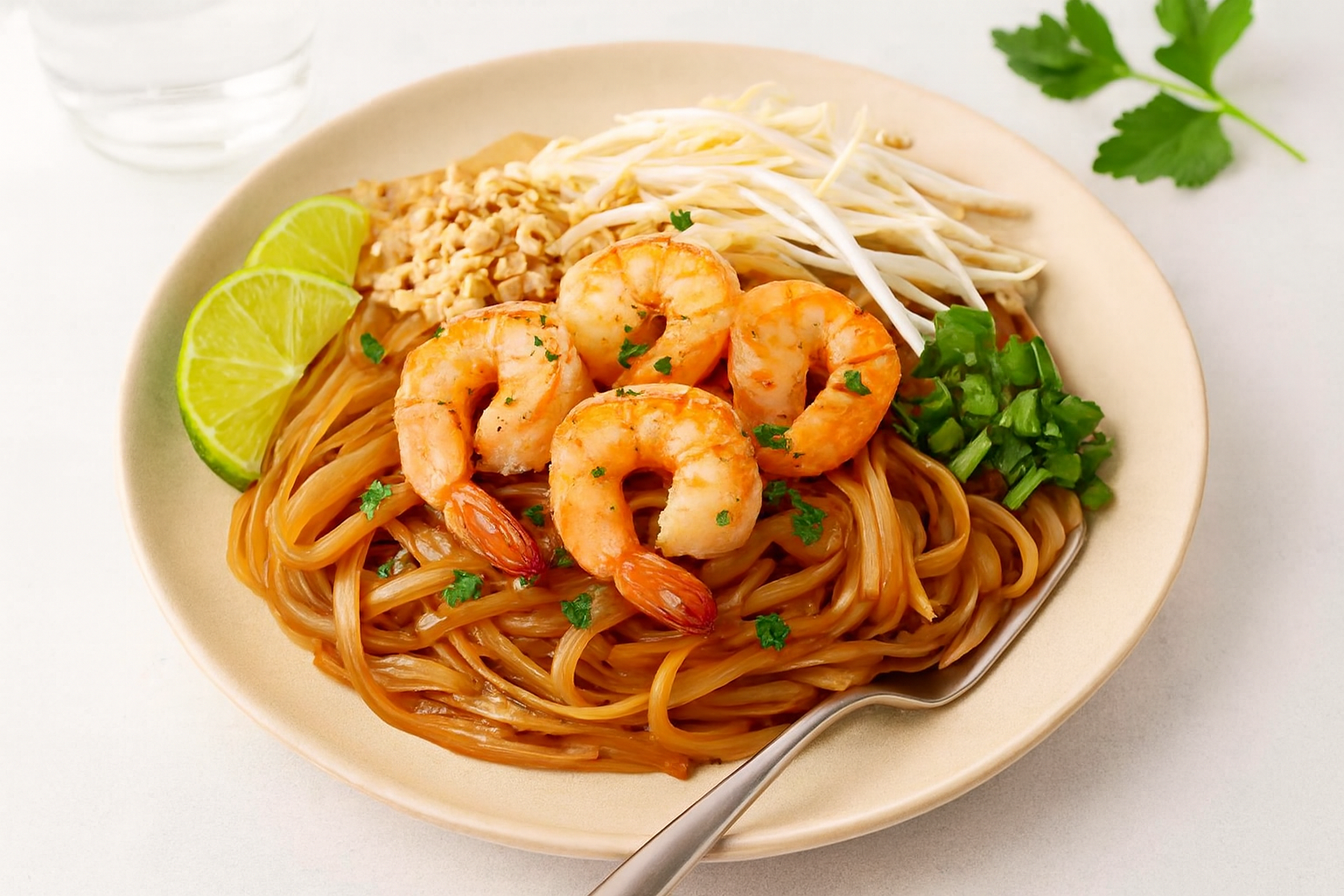
Classic Thai stir-fried rice noodles with shrimp, peanuts, and tangy tamarind sauce
Authentic Pad Thai Recipe - Better Than Takeout
Pad Thai is Thailand's most famous noodle dish - stir-fried rice noodles with shrimp, eggs, peanuts, and bean sprouts in a sweet, sour, and savory tamarind sauce. This recipe shows you how to make restaurant-quality Pad Thai at home with authentic flavors. The key is having all ingredients prepped before you start cooking, as the actual stir-frying happens incredibly fast.
What Makes Pad Thai Special?
Pad Thai perfectly balances sweet, sour, salty, and umami flavors. Tamarind paste provides distinctive tangy-sweet taste, fish sauce adds salty umami depth, and palm sugar (or brown sugar) rounds it out with sweetness. This complex flavor profile sets Pad Thai apart from other noodle dishes. When done right, it's addictively delicious with textural contrast from soft noodles, crunchy peanuts, and crisp bean sprouts.
Understanding Rice Noodles
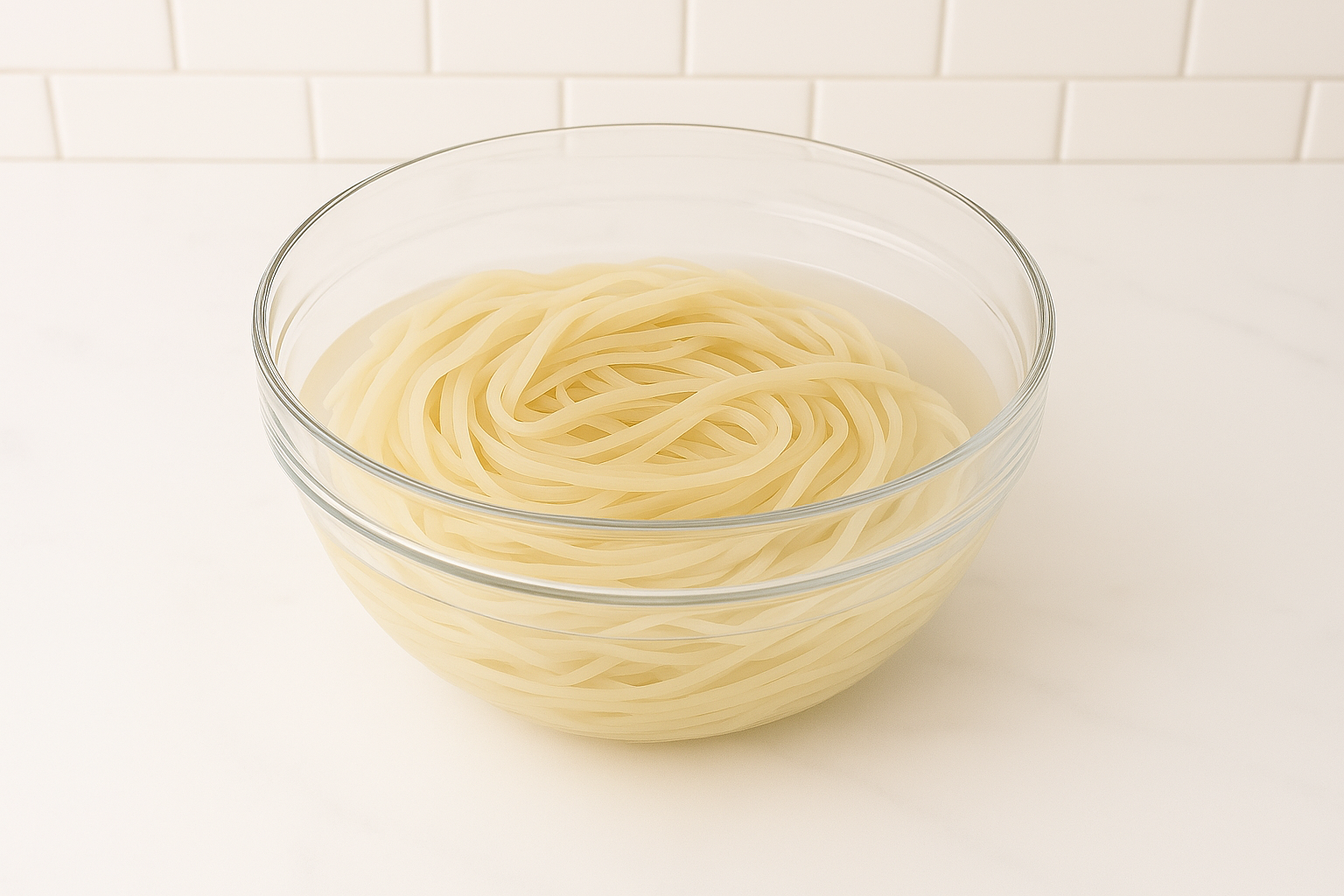
Pad Thai uses flat rice noodles (called sen lek or banh pho) about 1/4 inch wide. They're gluten-free and have a slightly chewy, slippery texture. Soak dried noodles in warm water for 30 minutes until pliable but still firm - they'll finish cooking in the wok. Don't over-soak or they'll be mushy. Fresh rice noodles work too but require less soaking time.
The Essential Tamarind Sauce
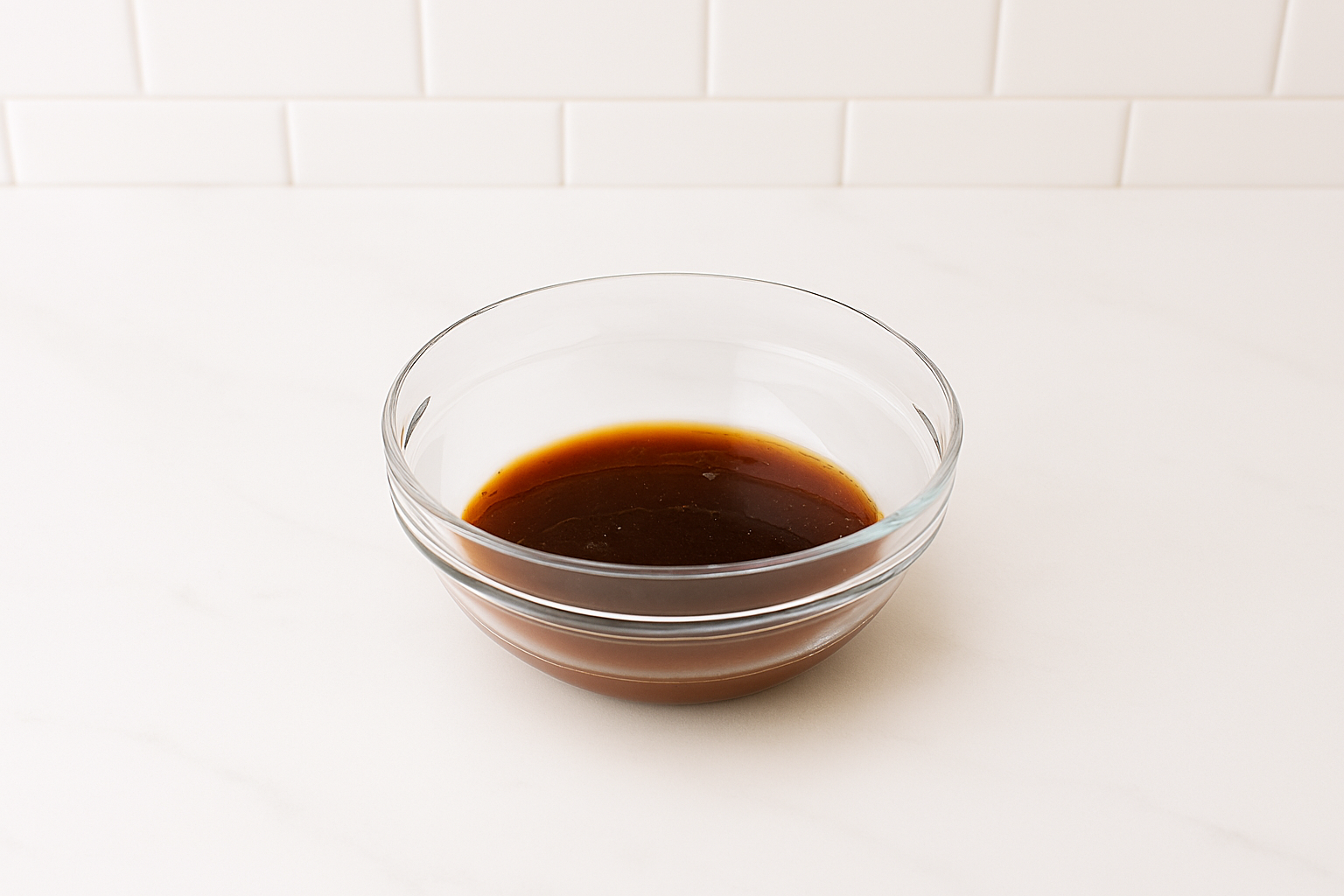
Tamarind paste is the soul of Pad Thai, giving it that distinctive tangy-sweet flavor impossible to replicate. Buy tamarind paste (not concentrate) from Asian markets. Mix it with fish sauce and sugar to create the signature sauce. If you absolutely can't find tamarind, substitute with equal parts lime juice and rice vinegar plus extra brown sugar, though the flavor won't be quite authentic.
High Heat Wok Cooking
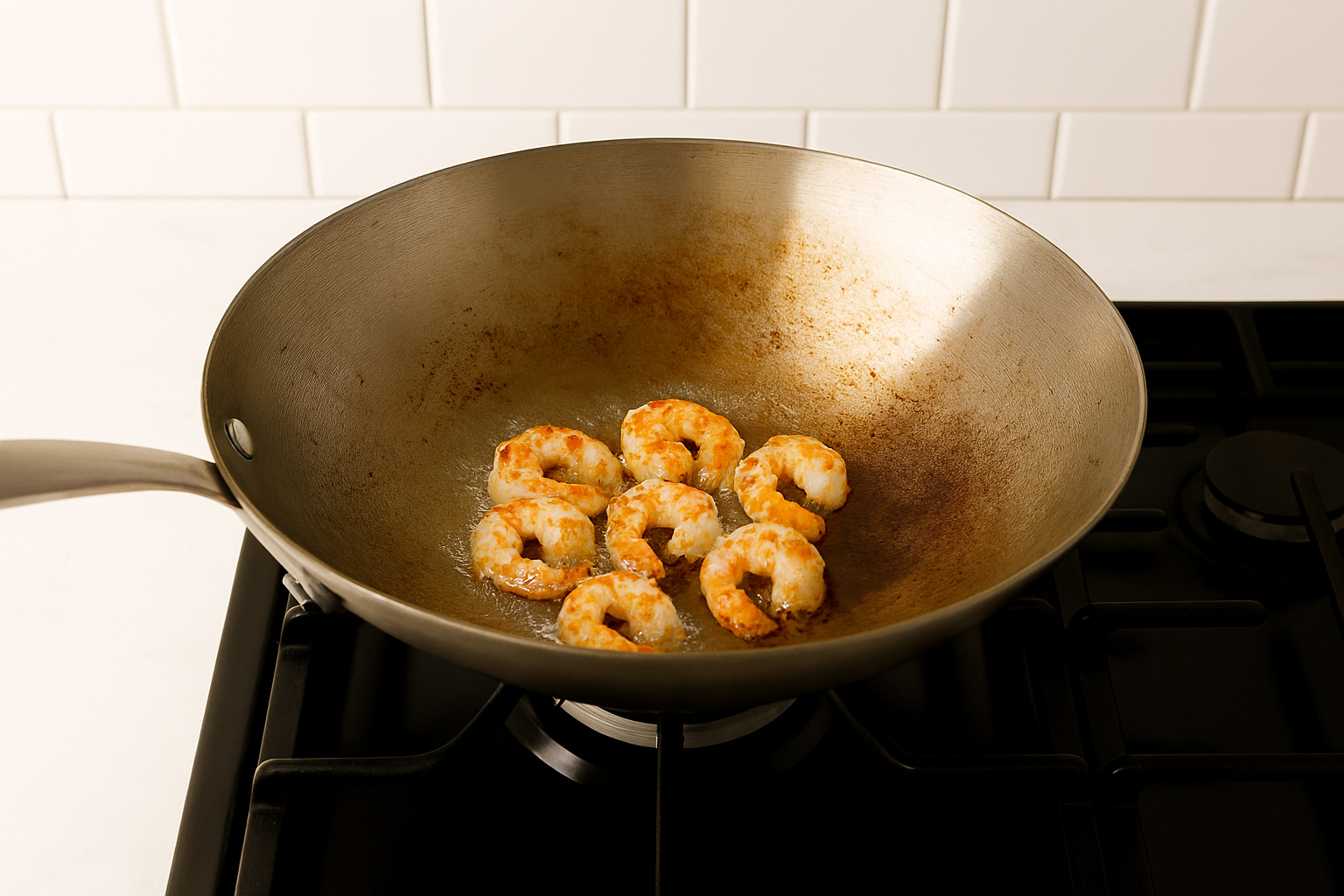
Authentic Pad Thai requires extremely high heat for that slightly charred, smoky flavor called "wok hei." Your wok or largest skillet should be smoking hot before adding ingredients. Cook quickly, tossing constantly. The entire cooking process takes only 5-6 minutes. If heat isn't high enough, ingredients steam rather than stir-fry, resulting in soggy, bland noodles.
Protein Options
Shrimp is most traditional, but chicken, tofu, or a combination works beautifully. For shrimp, use large ones (21-25 count) - they're substantial and don't overcook as easily as small shrimp. For tofu, use extra-firm, press it well, and cube it. Chicken should be thinly sliced for quick cooking. Some versions include no protein at all, letting the noodles shine.
Authentic Garnishes
Traditional Pad Thai is served with lime wedges, extra crushed peanuts, bean sprouts, and sliced green onions on the side. Some add dried chili flakes for heat. These garnishes aren't just decorative - they add fresh crunch and brightness that balance the rich noodles. Squeeze lime juice liberally over each serving for authentic tang.
Common Pad Thai Mistakes
Over-soaking noodles makes them mushy. Not having everything prepped means noodles overcook while you chop ingredients. Heat that's too low creates steamed, soggy noodles instead of stir-fried ones. Using the wrong noodles (spaghetti doesn't work!). And skipping tamarind - no substitute truly replicates its unique flavor.
Recommended Kitchen Equipment
Shop on AmazonRecommended kitchen tools for this recipe:
🛈 As an Amazon Associate, we earn from qualifying purchases at no extra cost to you.
Advertisement
Ingredients
- 400g rice noodles
- 300g shrimp, peeled
- 2 eggs
- 2 cups bean sprouts
- 4 green onions, chopped
- 1/2 cup roasted peanuts, crushed
- 3 tbsp tamarind paste
- 3 tbsp fish sauce
- 2 tbsp brown sugar
- 2 lime
- 3 cloves garlic, minced
- 3 tbsp vegetable oil
- 1 tsp dried chili flakes
Nutrition (Total)
Equipment Needed
- Large wok or skillet
- Wooden spoon or wok spatula
- Large bowl for soaking noodles
- Small bowls for mise en place
- Sharp knife and cutting board
- Measuring spoons

Before You Start
- •Soak noodles 30 minutes before cooking
- •Have ALL ingredients prepped and ready
- •Mix sauce ahead and have it ready
- •Use highest heat your stove allows
Advertisement
Shop Fresh Ingredients
Shop on AmazonGet fresh ingredients delivered to your door:
🛈 As an Amazon Associate, we earn from qualifying purchases at no extra cost to you.
Instructions
Prepare noodles
Soak rice noodles in warm water for 30 minutes until pliable. Drain well.
Make the sauce
Mix tamarind paste, fish sauce, brown sugar, and juice of 1 lime in a small bowl. Set aside.
Cook protein
Heat oil in a large wok over high heat. Stir fry shrimp until pink, about 3 minutes. Push to the side, scramble eggs in the wok.
Add noodles
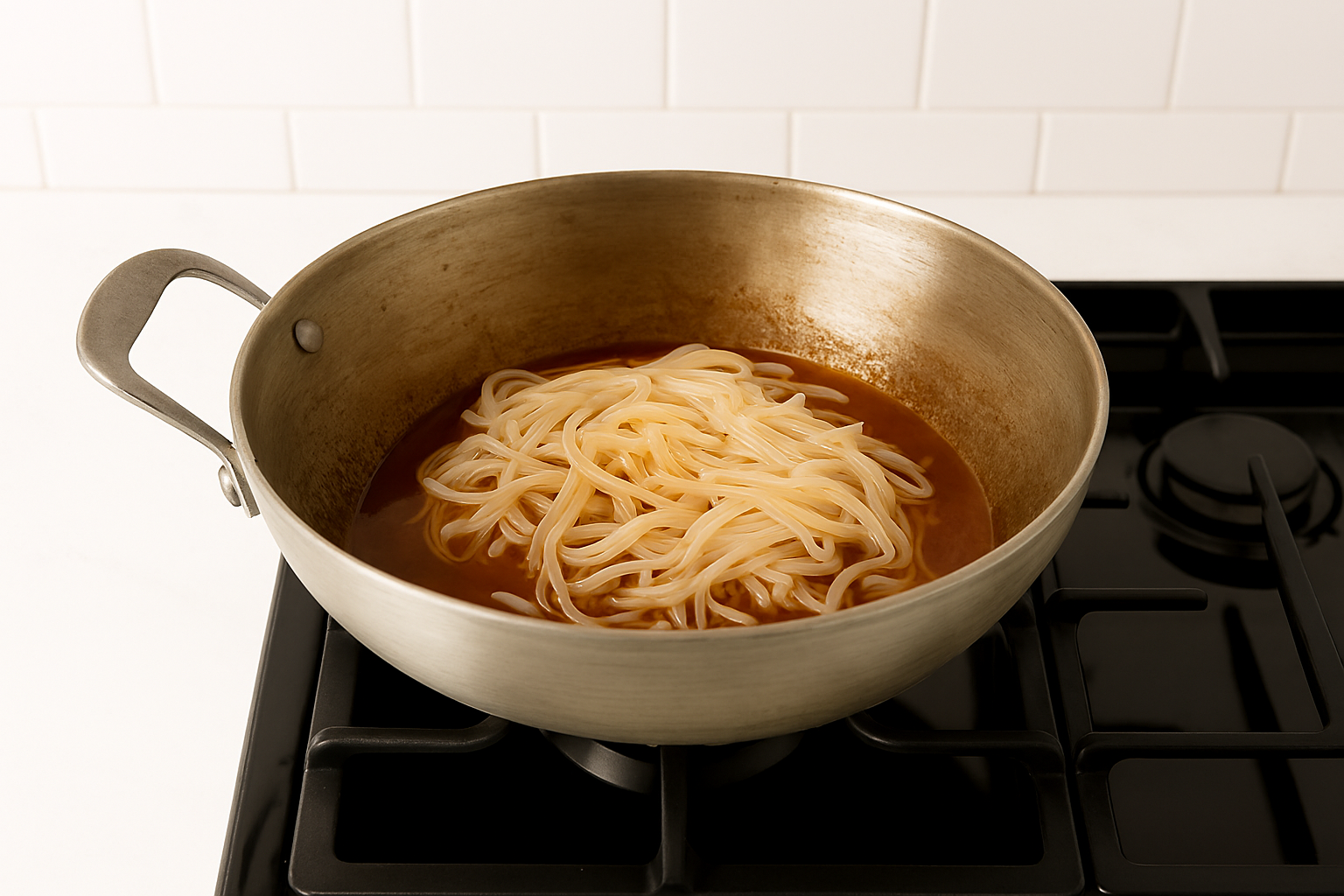
Add drained noodles and garlic to the wok. Pour sauce over everything. Toss for 3-4 minutes until noodles are tender and coated.
Finish and serve
Add bean sprouts and half the green onions. Toss for 1 minute. Serve topped with peanuts, remaining green onions, lime wedges, and chili flakes.
Advertisement
Chef's Tips
- •Don't over-soak noodles or they'll be mushy.
- •Have all ingredients prepped before you start cooking.
- •Use chicken or tofu instead of shrimp if preferred.
- •High heat is essential for authentic flavor.
Frequently Asked Questions
Can I use regular pasta instead of rice noodles?
No, regular pasta has completely different texture and flavor. Rice noodles are essential for authentic Pad Thai. They're gluten-free, have a distinctive chewy texture, and absorb the sauce differently. Spaghetti or linguine won't give you the right result.
What can I substitute for tamarind paste?
Tamarind is really irreplaceable for authentic flavor, but if you can't find it: use equal parts lime juice and rice vinegar plus extra brown sugar. Add a tiny bit of Worcestershire sauce for depth. It won't taste exactly like Pad Thai but will still be delicious.
Why are my rice noodles sticky and clumpy?
Over-soaking makes noodles sticky. Soak just until pliable but still firm. Rinse them after soaking and toss with a little oil. Make sure your wok is very hot - high heat prevents sticking. If noodles clump during cooking, add a splash of water or sauce.
Can I make Pad Thai vegetarian?
Absolutely! Use tofu instead of shrimp and replace fish sauce with soy sauce (use less as soy is saltier). The flavor will be different but still delicious. Add extra vegetables like bell peppers or broccoli. Vegetarian Pad Thai is common in Thailand.
Do I need a wok to make Pad Thai?
A wok is ideal because of its shape and heat distribution, but your largest skillet works fine. Use the highest heat your stove allows. Cast iron retains heat well. The key is high heat and constant movement, not specifically a wok.
Can I make Pad Thai ahead of time?
Pad Thai is best fresh. It can be refrigerated for 1-2 days but noodles absorb sauce and lose their texture. Reheat in a hot skillet with a splash of water, not the microwave. For meal prep, store noodles and sauce separately and combine when ready to eat.
Why doesn't my Pad Thai taste like restaurant Pad Thai?
Likely missing tamarind paste or not using high enough heat. Restaurants have powerful burners that create that smoky wok hei flavor. Make sure you're using fish sauce, tamarind, and palm/brown sugar. The balance of sweet, sour, and salty is crucial.
What's the white stuff that comes out of shrimp?
That's albumin, a protein that coagulates when heated. It's completely harmless and edible. To minimize it, don't overcook shrimp. Cook just until pink and opaque. Some people brine shrimp briefly before cooking to reduce albumin.
Tags
Advertisement
Reviews (0)
Sign in to leave a review and rating!
You Might Also Like

Classic Spaghetti Carbonara
Authentic spaghetti carbonara recipe with creamy egg sauce, crispy pancetta, and Parmesan cheese (no cream).

Margherita Pizza
Classic Neapolitan pizza with fresh mozzarella, basil, and tomato sauce on a crispy crust
Chicken Tacos
Flavorful seasoned chicken tacos with fresh toppings and homemade salsa