
French Toast
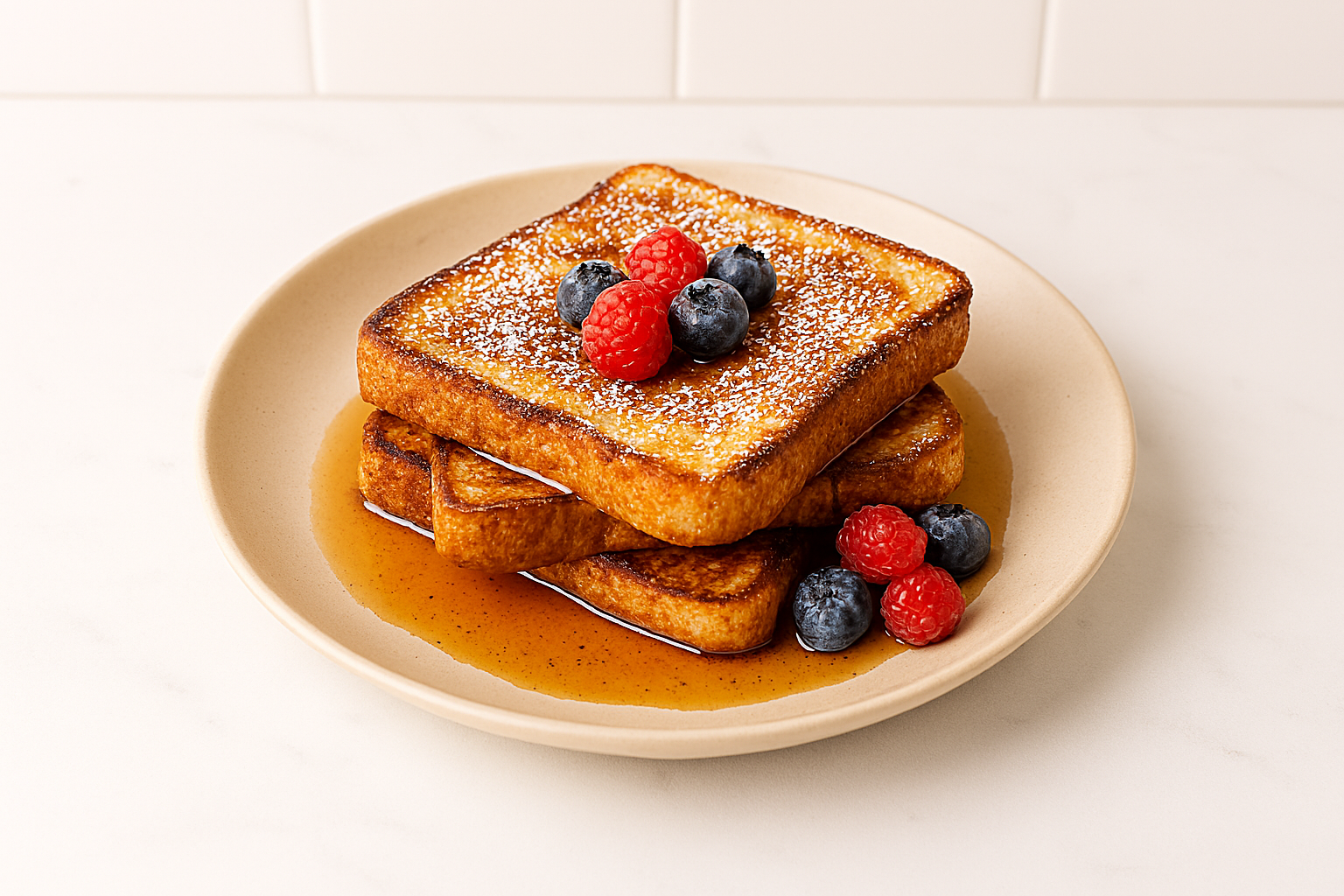
Classic breakfast with thick bread soaked in cinnamon custard, golden fried and topped with syrup
The Best Fluffy French Toast Recipe
French toast is the ultimate weekend breakfast - thick bread slices soaked in cinnamon custard, then fried until golden brown with crispy edges and a soft, custardy center. This recipe creates bakery-quality French toast that's perfectly cooked through without being soggy. Topped with butter, maple syrup, and powdered sugar, it's comfort food at its finest.
Choosing the Right Bread
Thick, sturdy bread is essential for French toast. Brioche is the gold standard - its eggy richness and sturdy texture are perfect. Challah is another excellent choice with similar qualities. Texas toast, French bread, or sourdough also work beautifully. Day-old bread is actually better than fresh because it's slightly dry and absorbs custard without falling apart. Avoid thin sandwich bread which becomes mushy.
The Perfect Custard Mixture
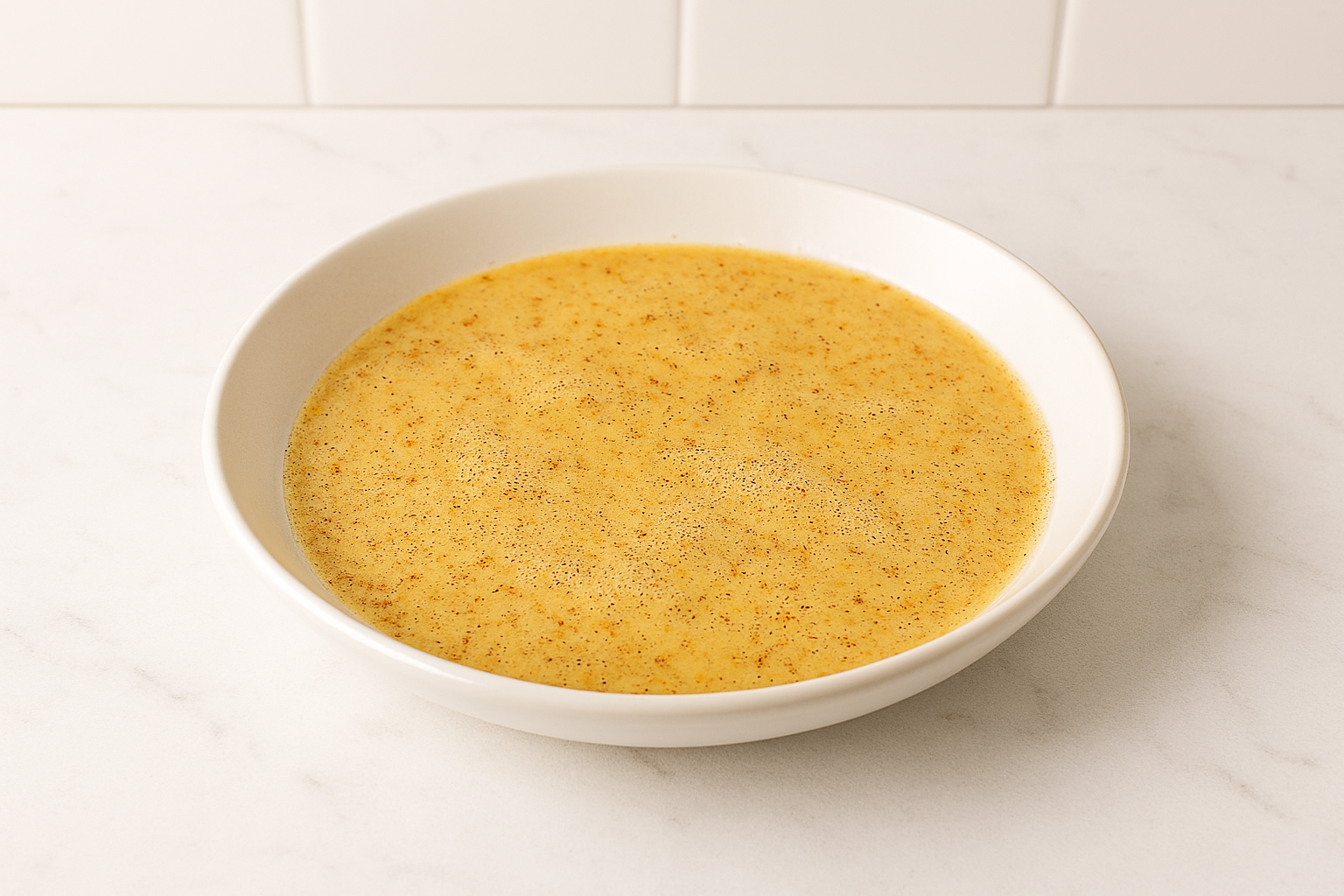
The custard is where magic happens. Eggs provide richness and help toast set up during cooking. Milk adds moisture and helps custard coat the bread. Vanilla extract adds warm flavor. Cinnamon and nutmeg provide classic warm spice notes. The ratio matters - too much egg and French toast is eggy, too much milk and it's soggy. This recipe balances perfectly for custardy interior without sogginess.
Soaking Time is Critical
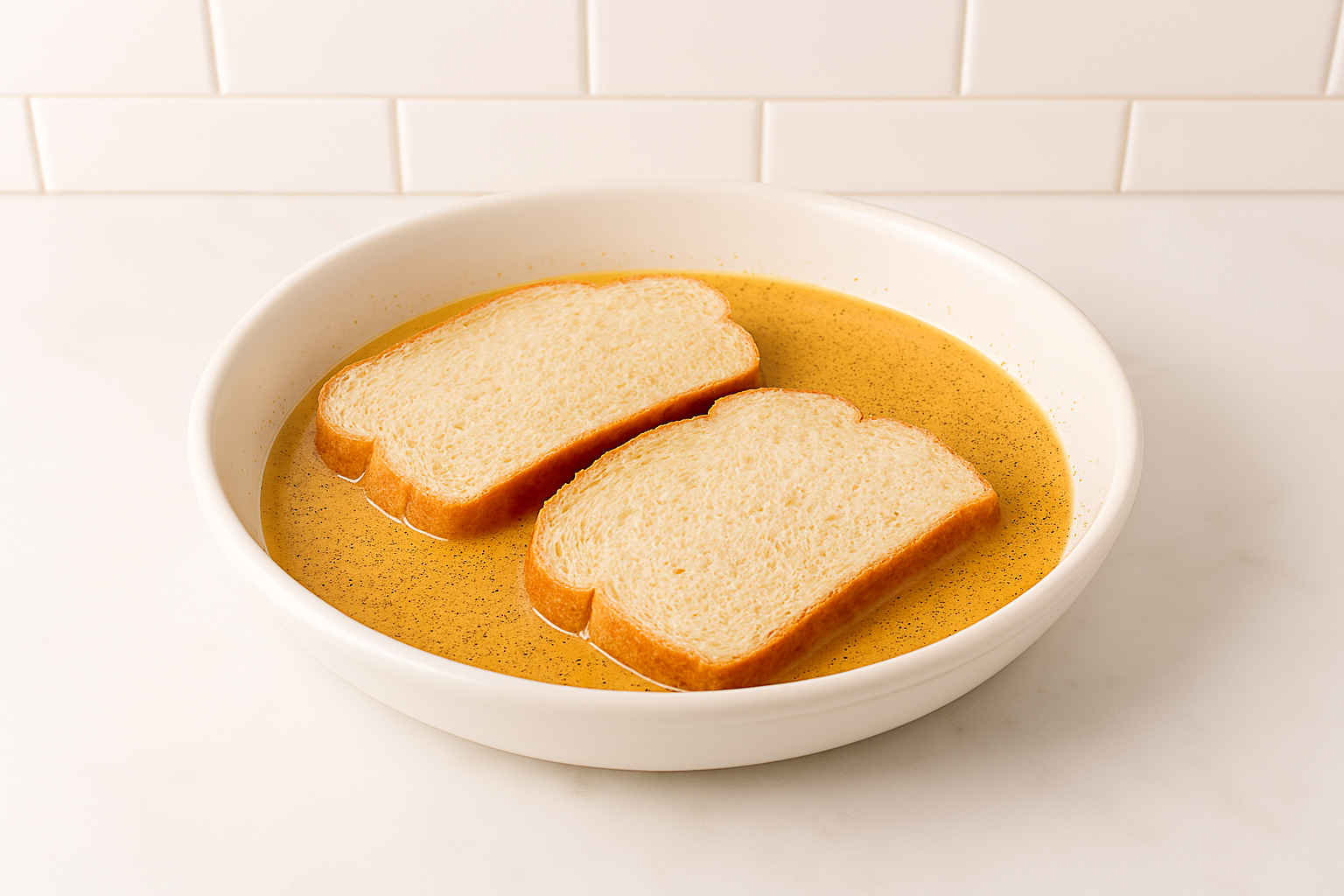
Bread needs to soak long enough to absorb custard but not so long it falls apart. For thick slices, 20-30 seconds per side is ideal. Thin bread needs only 10-15 seconds. The bread should be saturated but still hold its shape. If you can see dry spots after soaking, dip again briefly. Over-soaking creates mushy French toast.
Achieving Golden Perfection
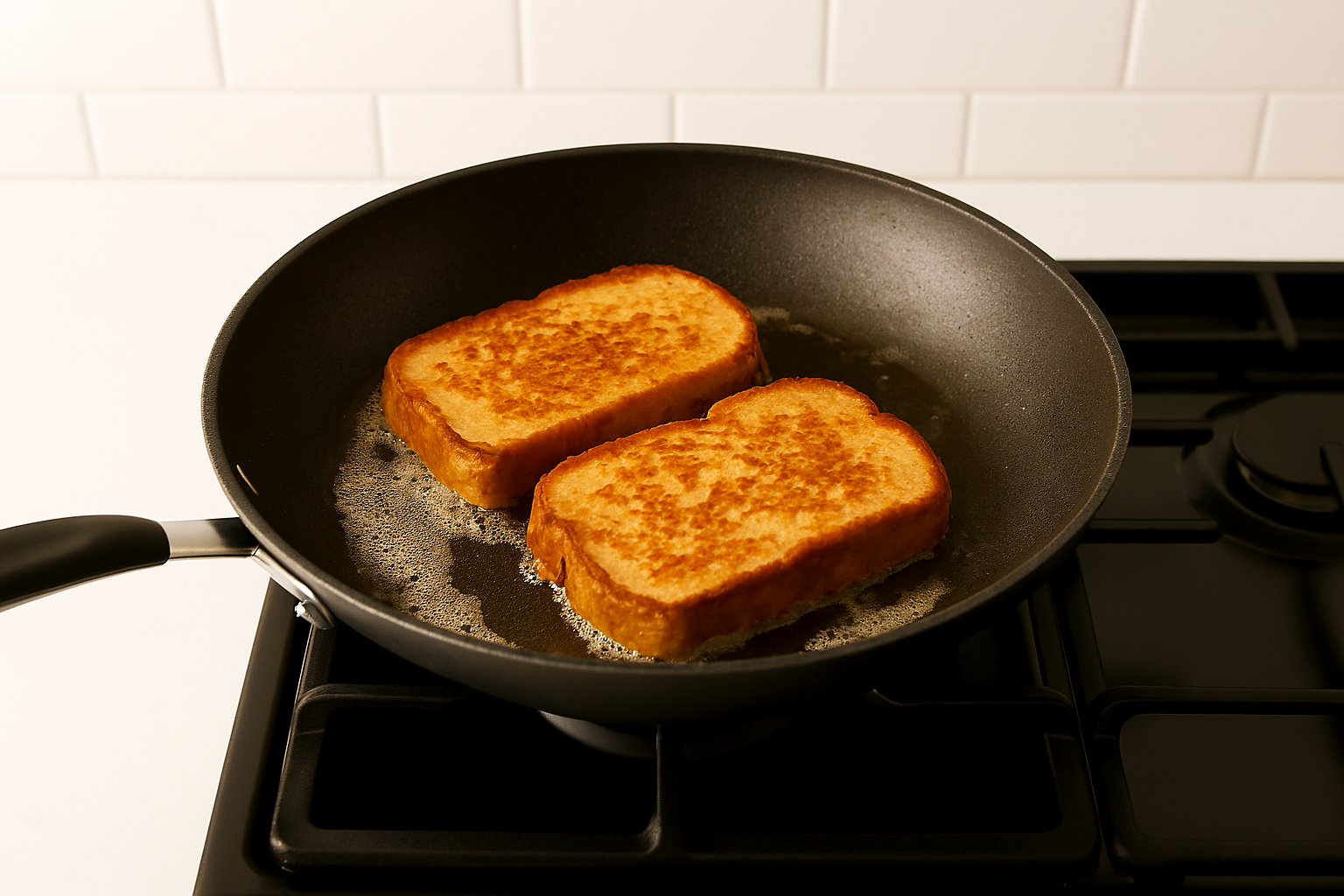
Cook French toast over medium heat in butter. Too hot and exterior burns before interior cooks; too cool and it steams rather than developing that golden crust. Each side needs 3-4 minutes. Press gently with a spatula to ensure even contact with the pan. The French toast should be golden brown with slightly crispy edges. Internal temperature should reach 160°F for food safety.
Sweet and Savory Variations
Classic French toast is perfect with maple syrup, butter, and powdered sugar. Try these variations: add orange zest to custard for brightness, top with fresh berries and whipped cream, spread with Nutella, make a cream cheese filling, add a pinch of cardamom, or go savory with herbs and serve with eggs and bacon. The possibilities are endless.
Make-Ahead French Toast
French toast is best fresh but can be made ahead for crowds. Cook French toast fully, let cool, then refrigerate for up to 2 days or freeze for up to 2 months. Reheat in a 350°F oven for 10 minutes or in a toaster. It won't be quite as good as fresh but works well for meal prep or large brunches.
Keeping French Toast Warm
When cooking multiple batches, keep finished French toast warm in a 200°F oven on a wire rack set over a baking sheet. This prevents steam from making the bottom soggy. Don't stack pieces or they'll steam each other. Serve within 30 minutes for best texture.
Recommended Kitchen Equipment
Shop on AmazonRecommended kitchen tools for this recipe:
🛈 As an Amazon Associate, we earn from qualifying purchases at no extra cost to you.
Advertisement
Ingredients
- 8 thick bread slices
- 4 eggs
- 1 cup milk
- 1 tsp vanilla extract
- 1 tsp cinnamon
- 1/4 tsp nutmeg
- 2 tbsp sugar
- pinch salt
- for cooking butter
- for serving maple syrup
- for dusting powdered sugar
- optional fresh berries
Nutrition (Total)
Equipment Needed
- Large griddle or skillet
- Wide shallow bowl for custard
- Whisk
- Spatula
- Sharp bread knife
- Wire rack for keeping warm

Before You Start
- •Use day-old bread for best absorption
- •Cut bread into thick 3/4-1 inch slices
- •Have butter and syrup ready before cooking
- •Keep finished toast warm in 200°F oven
Advertisement
Shop Fresh Ingredients
Shop on AmazonGet fresh ingredients delivered to your door:
🛈 As an Amazon Associate, we earn from qualifying purchases at no extra cost to you.
Instructions
Make custard mixture
Whisk together eggs, milk, vanilla, cinnamon, nutmeg, sugar, and salt in a shallow dish until well combined.
Soak the bread
Dip each bread slice in the custard mixture, letting it soak for 20-30 seconds per side. Don't oversoak or bread will fall apart.
Heat the pan
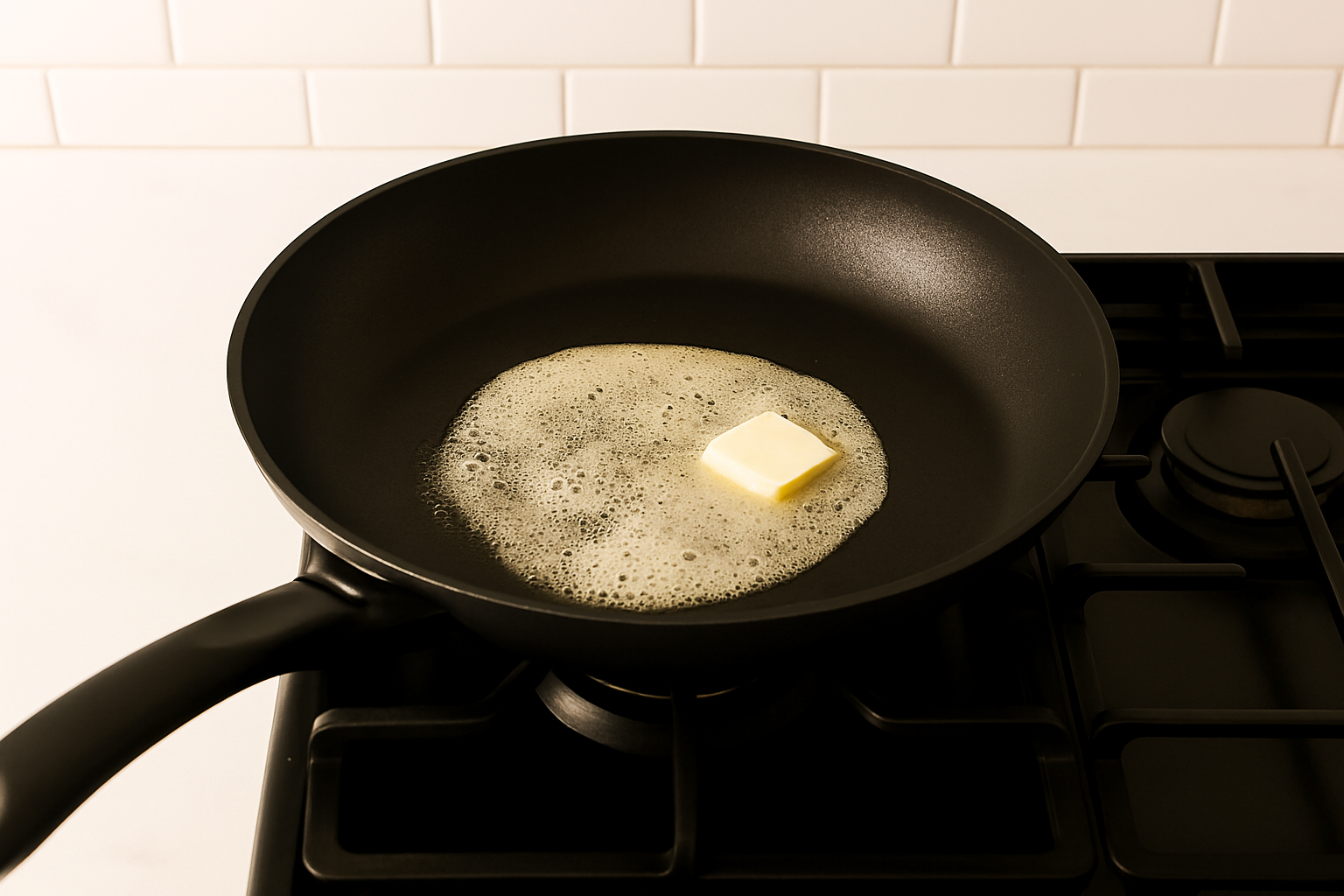
Melt butter in a large skillet or griddle over medium heat.
Cook French toast
Place soaked bread in the pan. Cook 3-4 minutes per side until golden brown and cooked through. Add more butter as needed.
Serve
Transfer to plates. Dust with powdered sugar. Serve hot with maple syrup and fresh berries if desired.
Advertisement
Chef's Tips
- •Use day-old bread for best results - it absorbs custard better.
- •Brioche or challah bread works wonderfully.
- •Keep finished toast warm in a 200°F oven.
- •Try adding orange zest to the custard for a twist.
Frequently Asked Questions
Why is my French toast soggy in the middle?
Either the bread was too thin, soaked too long, or heat was too high (cooking outside before inside). Use thick bread (3/4 to 1 inch), soak for only 20-30 seconds per side, and cook over medium heat. The middle should be set, not wet or eggy.
Can I use stale bread for French toast?
Yes, actually day-old or slightly stale bread is BETTER than fresh! It's drier and absorbs custard without falling apart. This is a perfect way to use up bread that's past its prime. If bread is fresh, leave it out overnight or toast it lightly first.
What if I don't have vanilla extract?
French toast is still delicious without vanilla, though it adds nice flavor. Substitute with almond extract (use half as much), or add extra cinnamon and nutmeg. Orange zest or a splash of rum also work. But honestly, vanilla extract is inexpensive and worth keeping on hand.
Can I make French toast without eggs?
For egg-free French toast, mix 1/4 cup cornstarch with 1 cup milk and add vanilla and cinnamon. Or use mashed banana mixed with milk. The texture won't be quite as custardy but still tastes good. There are also commercial egg replacers that work.
How do I keep French toast from sticking to the pan?
Use enough butter - don't skimp! A nonstick pan helps. Make sure pan is properly heated before adding bread. Don't try to flip too early - let the first side cook fully until golden. If using stainless steel, make sure it's hot enough.
Can I use different milk?
Whole milk is best for rich flavor, but any milk works. 2% milk is fine. Half-and-half or cream makes extra rich French toast. Non-dairy milk like almond or oat milk works but creates slightly different texture. Avoid skim milk - not enough fat for rich flavor.
Why does my French toast taste eggy?
Too much egg in the ratio, or bread not soaked long enough to balance egg flavor. This recipe uses the right ratio, but if yours tastes eggy, increase milk slightly. Make sure to add vanilla, cinnamon, and sugar which balance the egg flavor.
How thick should I cut the bread?
Aim for 3/4 inch to 1 inch thick slices. This allows custard to soak through while bread maintains structure. Thicker is better than thinner. If bread is pre-sliced and thin, use two slices together or just know you'll need shorter soaking time.
Tags
Advertisement
Reviews (0)
Sign in to leave a review and rating!
You Might Also Like

Classic Spaghetti Carbonara
Authentic spaghetti carbonara recipe with creamy egg sauce, crispy pancetta, and Parmesan cheese (no cream).

Margherita Pizza
Classic Neapolitan pizza with fresh mozzarella, basil, and tomato sauce on a crispy crust
Chicken Tacos
Flavorful seasoned chicken tacos with fresh toppings and homemade salsa