
Cranberry Orange Scones
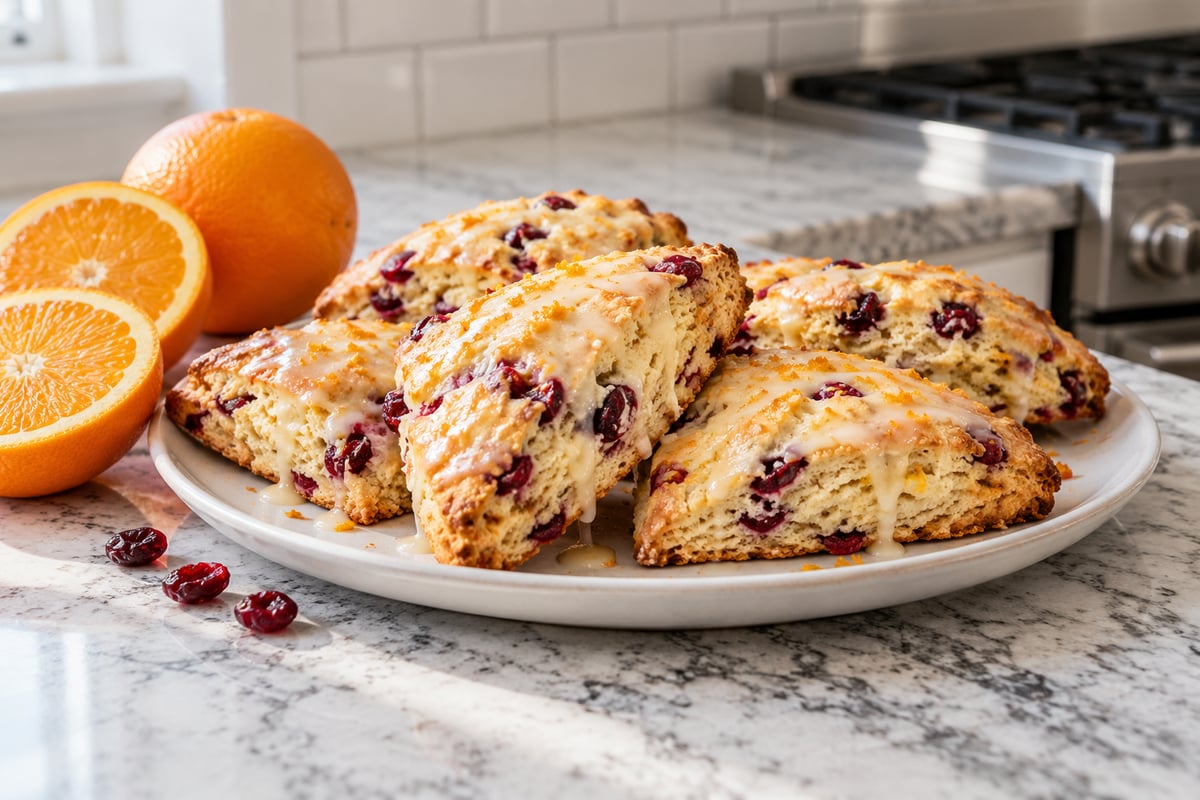
Buttery cranberry orange scones with dried cranberries and a light citrus glaze. Includes cold-butter and chilling tips for tender wedges.
How to Make Cranberry Orange Scones
Cold butter and a light touch are the keys to these cranberry orange scones. Rubbing zest into the sugar releases citrus oils, giving orange flavor throughout the dough instead of relying only on glaze. Dried cranberries add chewy, tart-sweet pieces without introducing the extra liquid of fresh fruit.
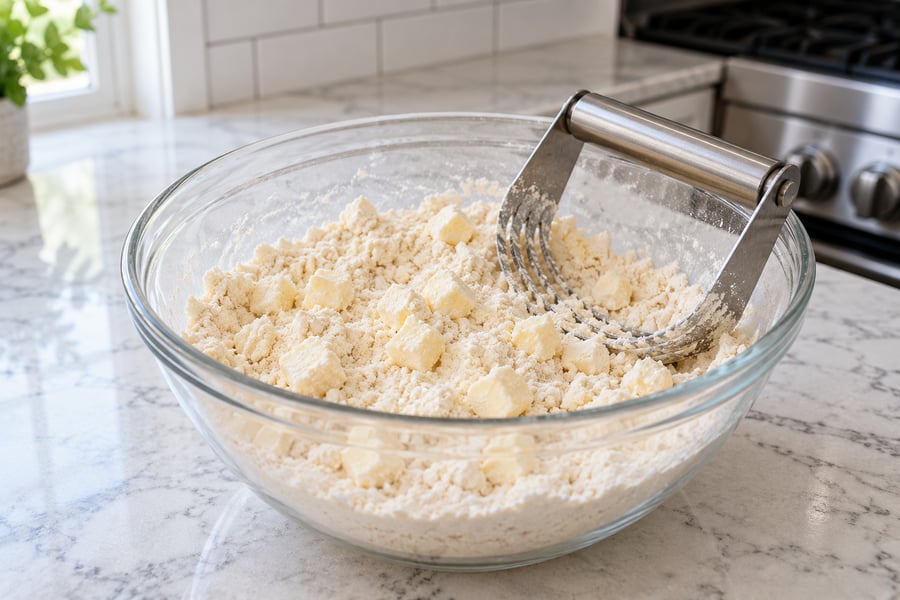
Leave some visible butter pieces when cutting it into the flour. They create small pockets as the scones bake. Add only enough cream for the dough to hold together when pressed, since flour and cream brands can vary. Kneading until perfectly smooth would make the finished wedges tougher.
The short refrigerator rest helps the butter stay cold as the oven finishes heating. Space the wedges apart for crisper edges, and let them cool before glazing so the topping does not melt straight off. These are best the day they are baked, though unglazed leftovers can be warmed briefly in the oven.
Keeping Butter Cold while Mixing
Cold butter creates small separate pockets in the dough instead of soaking all the flour. Work promptly with a pastry blender or fork and stop before the mixture feels greasy. Dried cranberries are folded in for their concentrated fruit texture. Orange zest brings aroma to the dough, while the orange juice belongs in the separate finishing glaze.
Shaping and Finishing the Scones
Use a light touch to bring the dough together and cut portions of similar thickness. Add only the small extra amount of cream allowed if the dough will not hold; a wet sticky dough spreads more readily. Cool the baked scones before glazing and let the glaze set before packing them. For reheating, an unglazed portion is easier to warm without melting its finish.
Recommended Kitchen Equipment
Shop on AmazonRecommended kitchen tools for this recipe:
🛈 As an Amazon Associate, we earn from qualifying purchases at no extra cost to you.
Advertisement
Ingredients
- 2 cups (250g) all-purpose flour, plus a little for shaping
- 1/3 cup (65g) granulated sugar
- 1 tablespoon finely grated orange zest
- 2 teaspoons baking powder
- 1/2 teaspoon fine salt
- 6 tablespoons (85g) cold unsalted butter, cubed
- 3/4 cup (90g) dried cranberries
- 1/2 cup cold heavy cream, plus 1-2 tablespoons only if needed
- 1 large egg
- 1 teaspoon vanilla extract
- 1/2 cup (60g) powdered sugar for glaze
- 1-2 tablespoons fresh orange juice for glaze
Nutrition (Total)
Equipment Needed
- Rimmed baking sheet
- Parchment paper
- Pastry blender or fork
- Mixing bowls
- Pastry blender
Before You Start
- •Keep the butter and cream cold until needed.
- •Zest the orange before juicing it for the glaze.
- •Line the baking sheet and clear a small shaping area before mixing.
- •Reserve the glaze ingredients separately so they are not accidentally mixed into the dough.
Advertisement
Shop Fresh Ingredients
Shop on AmazonGet fresh ingredients delivered to your door:
🛈 As an Amazon Associate, we earn from qualifying purchases at no extra cost to you.
Instructions
Prepare the orange sugar
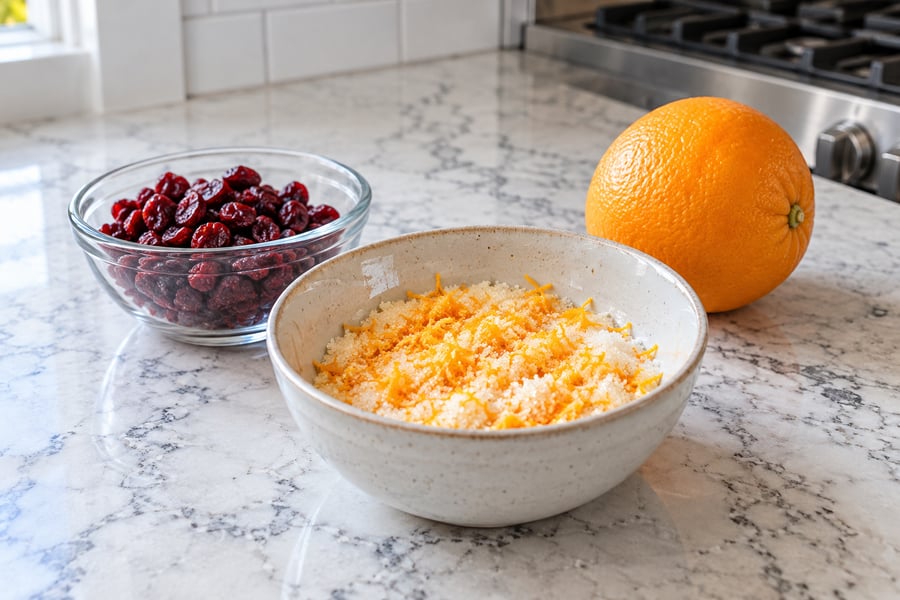
Rub the orange zest into the granulated sugar with your fingertips until fragrant. Line a baking sheet with parchment. Keep the cream, egg, and butter cold while measuring the remaining ingredients.
Cut in the butter
Whisk the flour, orange sugar, baking powder, and salt in a bowl. Cut in the cold butter with a pastry blender or fork until the mixture contains coarse crumbs and some pea-size pieces. Stir in the dried cranberries.
Bring the dough together
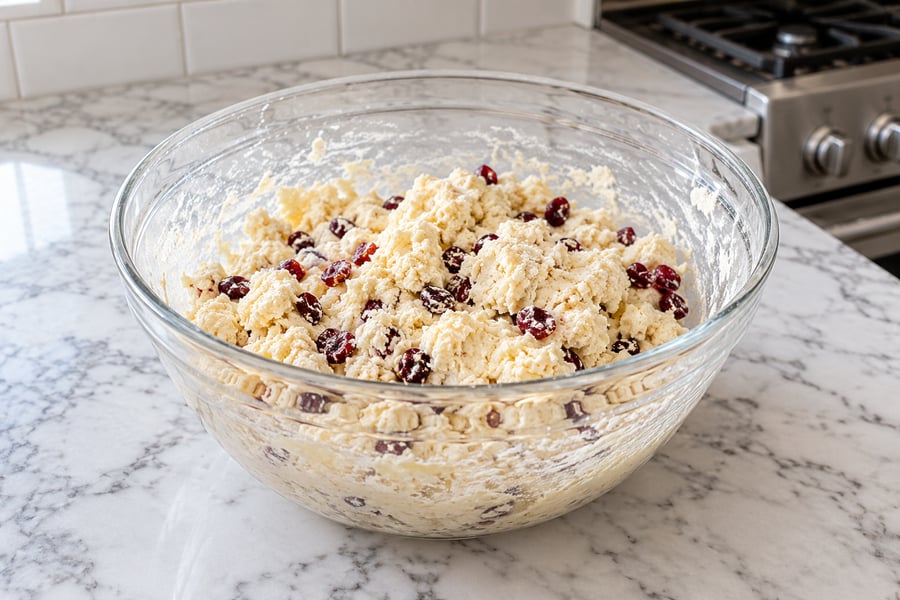
Whisk 1/2 cup cream with the egg and vanilla, then pour into the flour mixture. Stir with a fork just until clumps form. If loose dry flour remains after pressing a handful together, add extra cream 1 tablespoon at a time. The dough should be shaggy, not a smooth batter.
Advertisement
Shape, chill, and bake
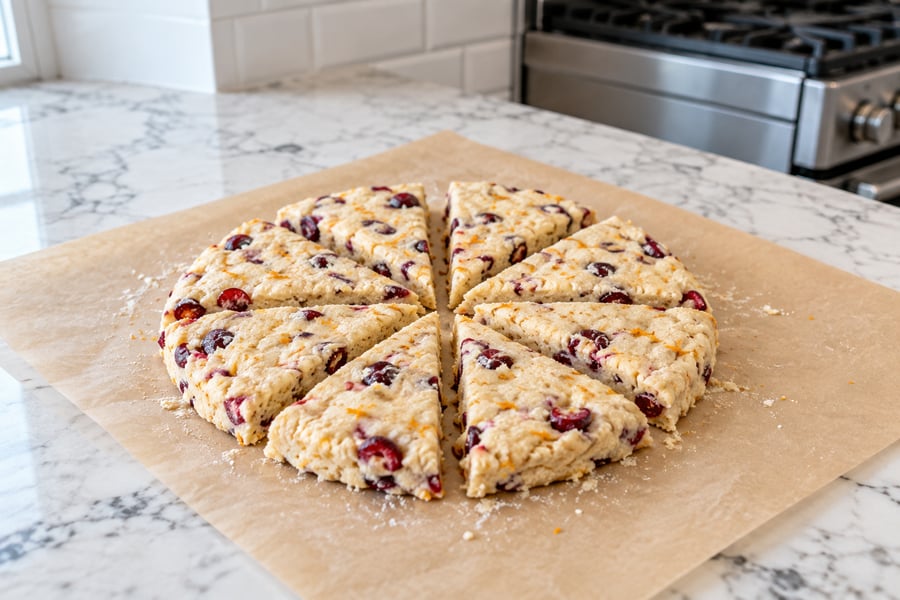
Turn onto a lightly floured surface and gently pat into a 7-inch round about 1 inch thick. Cut into 8 wedges and place on the prepared sheet with space between them. Refrigerate for 15 minutes while heating the oven to 400 F (205 C). Bake for 18-22 minutes until lightly golden and firm at the edges.
Cool and glaze
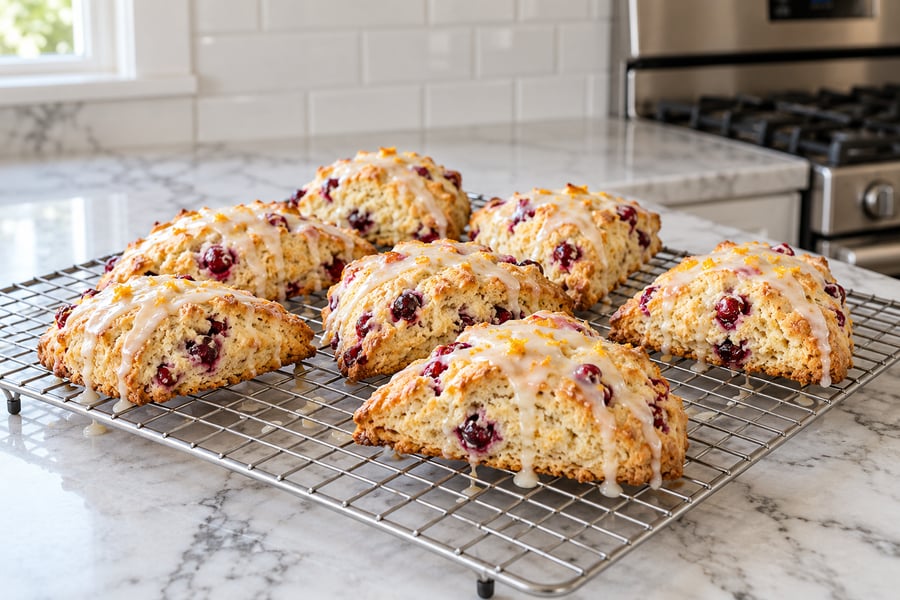
Cool on the pan for 5 minutes, then transfer to a rack for at least 5 more minutes. Stir the powdered sugar with enough orange juice to make a thick drizzle. Spoon lightly over the cooled scones and let the glaze settle before serving.
Advertisement
Chef's Tips
- •Keep butter and cream cold.
- •Stop mixing when a shaggy dough forms.
- •Chill the cut wedges before baking and glaze after cooling.
- •Leave small pieces of butter visible in the dough rather than rubbing it into an oily paste.
- •Bring the dough together with light pressure; repeated kneading makes scones tougher.
- •Cool the scones before glazing, or the glaze will run off instead of settling on the surface.
Frequently Asked Questions
Can I use fresh cranberries?
Fresh cranberries add moisture and more tartness, so they are not a direct substitution for the dried fruit in this formula.
Why did my scones spread?
Warm butter or too much added liquid can make them spread. Use cold ingredients, add extra cream sparingly, and chill the shaped wedges.
Can I skip the glaze?
Yes. The orange zest flavors the dough itself, so the scones work without glaze. The nutrition estimate includes the listed glaze.
Can I freeze the shaped scone dough?
Yes. Freeze the shaped portions on a tray, then transfer to a covered freezer container. Baking from frozen can require extra time; check the centers and edges instead of assuming the fresh-dough timing will be identical.
Why are my scones tough?
Too much flour or repeated kneading can make the crumb firm. Measure carefully, keep butter cold, and bring the dough together with light pressure rather than working it until perfectly smooth.
How should I warm a leftover scone?
Warm an unglazed portion gently in the oven when possible. A glazed scone can be warmed too, but its glaze may soften or melt; avoid heating until the edges become dry.
Tags
Advertisement
Reviews (0)
Sign in to leave a review and rating!
You Might Also Like
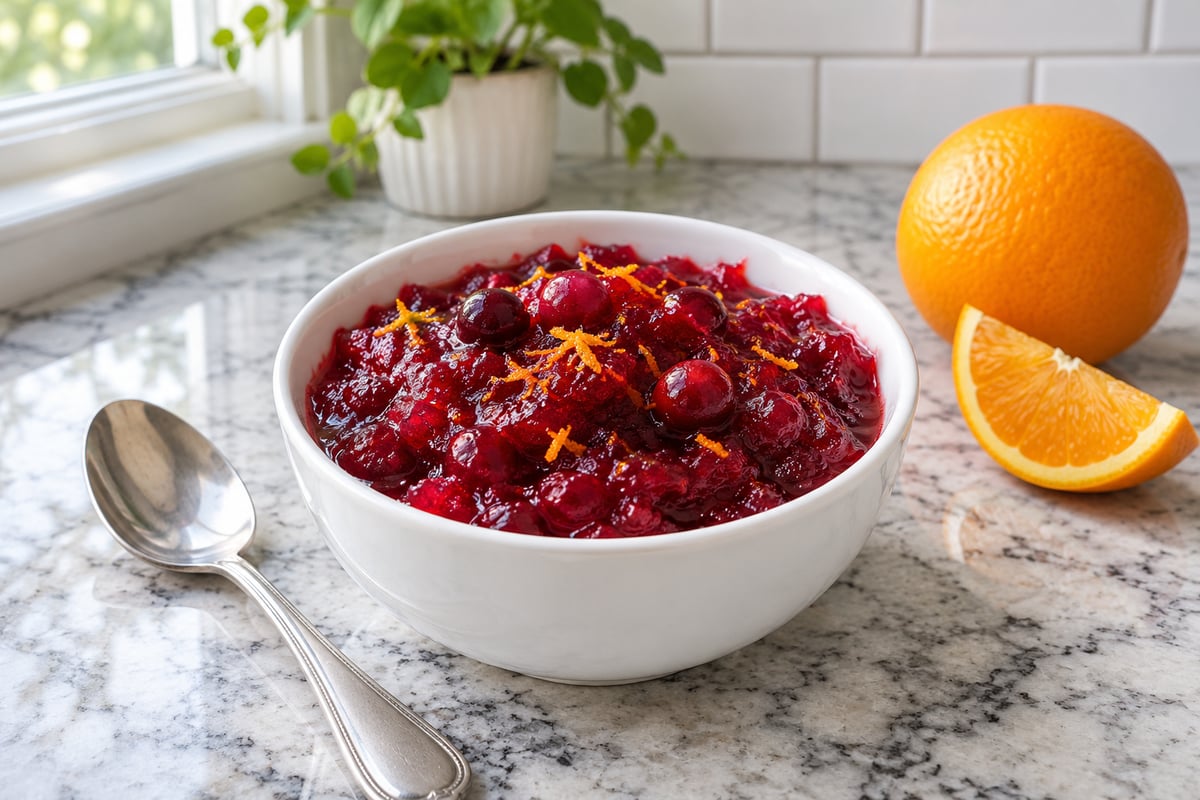
Cranberry Orange Sauce
A small-batch cranberry orange sauce with fresh cranberries, orange juice, and zest. Includes cooling, make-ahead, and texture tips.
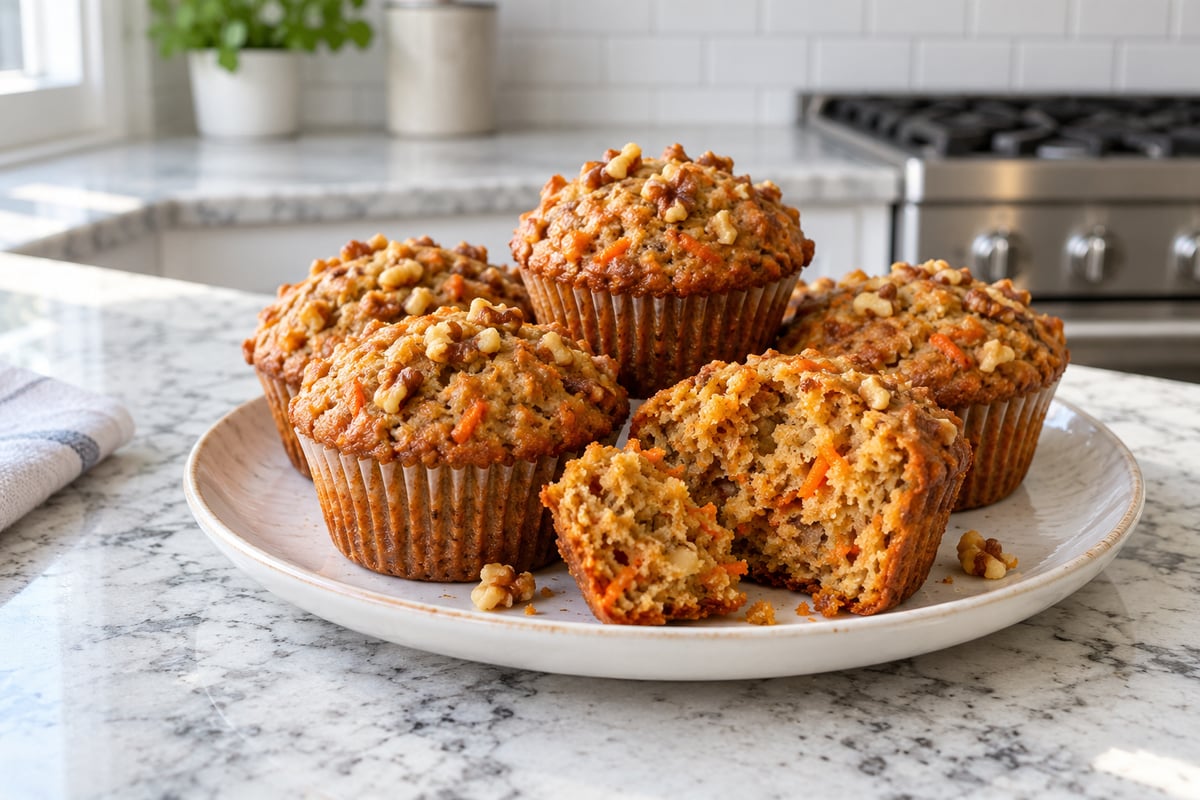
Carrot Cake Muffins with Walnuts
Carrot cake muffins with grated carrots, yogurt, warm spices, and walnuts. A tender muffin recipe with clear mixing and doneness cues.

Classic Banana Bread
Moist, tender banana bread packed with banana flavor. The perfect way to use up overripe bananas!