
Parsley Chimichurri Sauce
A parsley chimichurri sauce with garlic, oregano, red wine vinegar, and olive oil. Includes chopping tips and safe refrigerated storage guidance.
How to Make Parsley Chimichurri Sauce
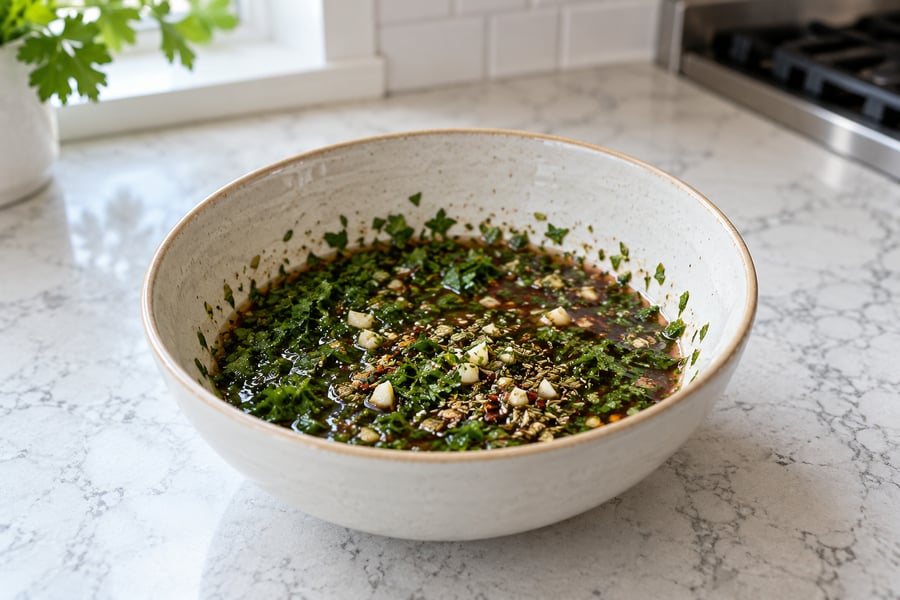
This parsley chimichurri is a loose, spoonable herb sauce with garlic, oregano, vinegar, and chili. It contains no cilantro and does not require a blender. Small pieces of parsley are part of the intended texture, with oil and vinegar moving around the herbs rather than forming a smooth green emulsion.
Chopping Parsley for a Textured Sauce
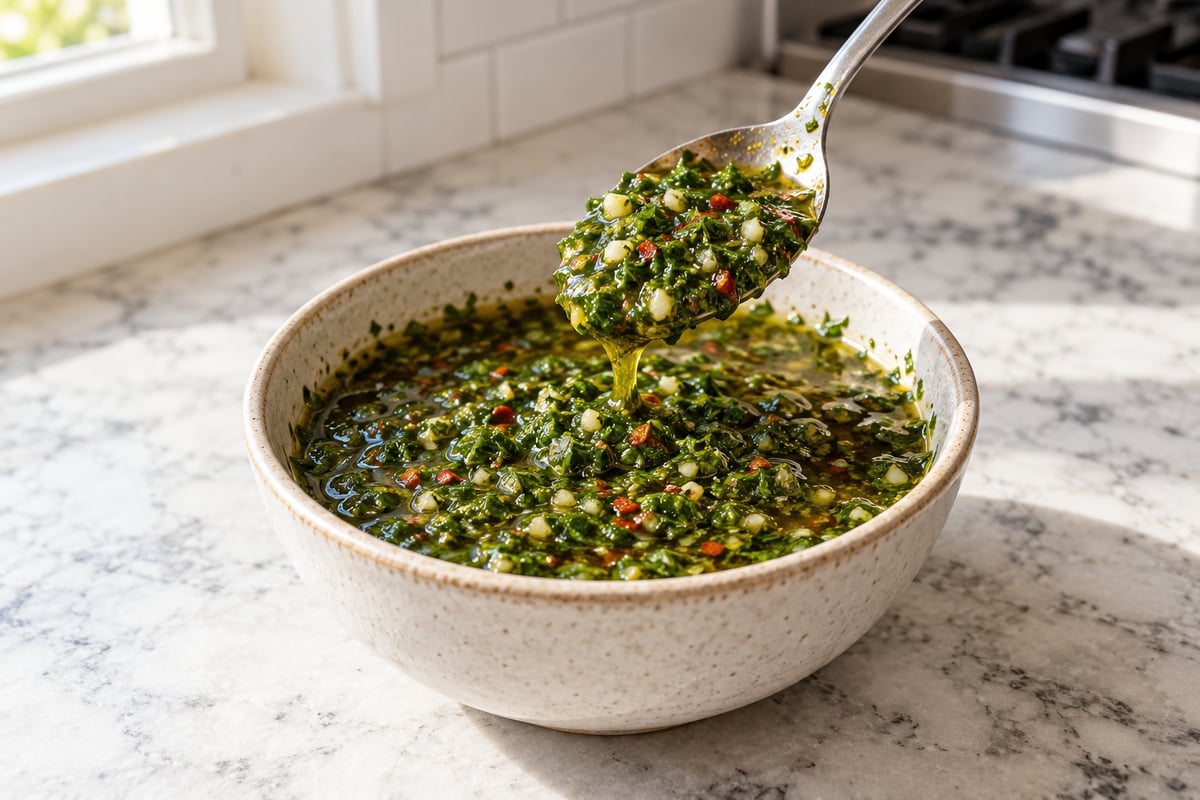
Dry the parsley after washing so you do not add extra water to the bowl. Tender stems can be chopped with the leaves, but thick lower stems are tougher. A sharp knife makes clean cuts without repeatedly crushing the herbs. Stir the sauce before each use because the oil and vinegar naturally separate.
Refrigerating Fresh Garlic and Herb Sauce
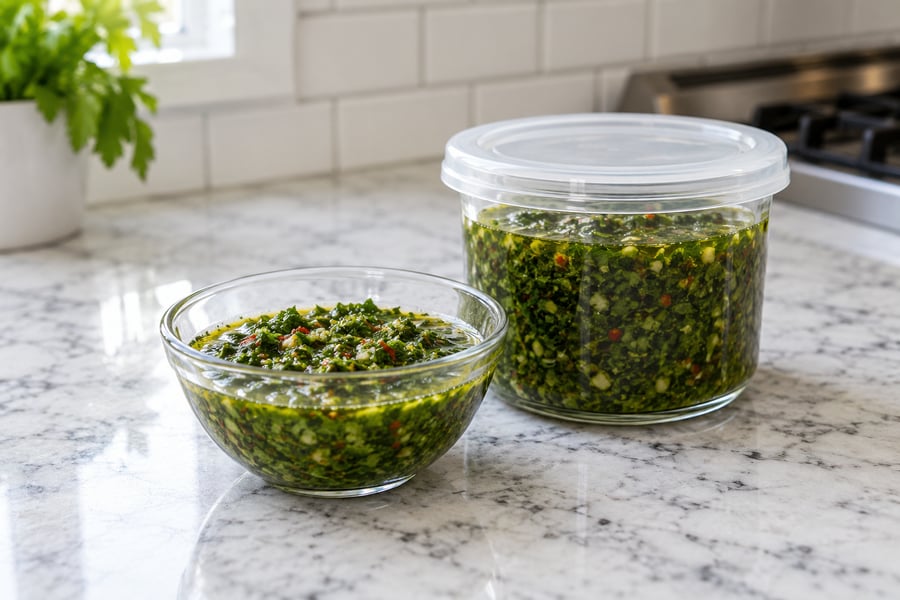
Fresh garlic and herbs mixed with oil need careful storage. The splash of vinegar in a serving sauce does not establish that it is safe for unrefrigerated storage. Refrigerate promptly and use within four days, or freeze small portions. Keep serving sauce separate from anything that has touched raw meat, and spoon it over food only after that food is cooked.
Parsley, Garlic, and the Oil-Vinegar Balance
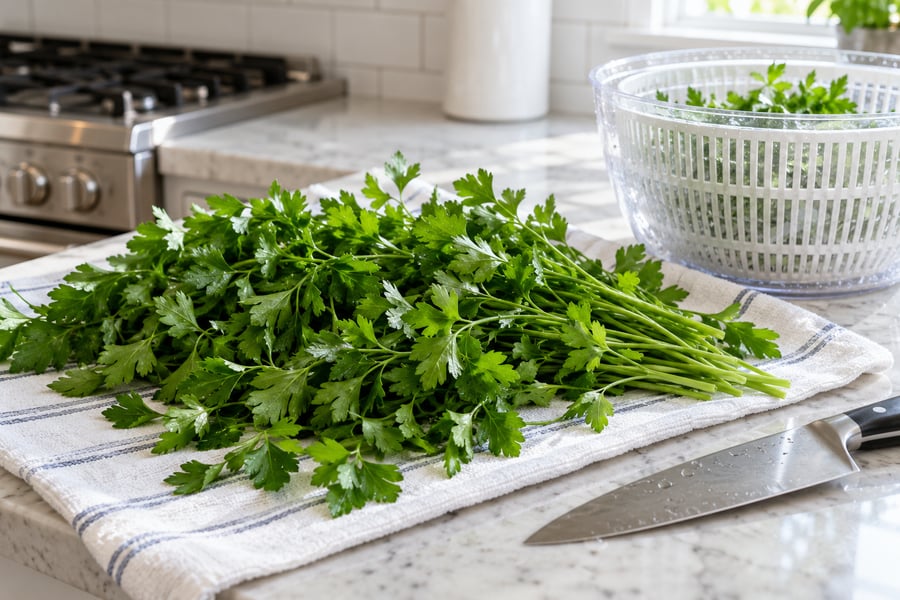
Flat-leaf parsley provides the bulk of the sauce, with garlic and oregano in smaller supporting amounts. Dry the parsley after washing so you are not adding an unmeasured quantity of water. Chop finely enough to distribute the garlic but leave visible herb pieces. The finished texture is loose and spoonable rather than smooth like a blended dressing.
Using a Fresh Finishing Sauce
Spoon chimichurri onto cooked food near serving time. Beans, roasted vegetables, chicken, or steak can all take a small amount, with extra sauce offered separately. Keep clean serving sauce away from raw-food utensils and refrigerate promptly. The presence of vinegar does not justify keeping a fresh garlic-and-oil mixture at room temperature for storage.
Recommended Kitchen Equipment
Shop on AmazonRecommended kitchen tools for this recipe:
🛈 As an Amazon Associate, we earn from qualifying purchases at no extra cost to you.
Advertisement
Ingredients
- 1 packed cup (about 30g) flat-leaf parsley leaves and tender stems, washed and thoroughly dried
- 3 cloves garlic, very finely minced
- 3 tablespoons red wine vinegar
- 1/2 cup olive oil
- 1 teaspoon dried oregano
- 1/2 teaspoon crushed red pepper flakes
- 1/2 teaspoon kosher salt, or to taste
- 1/4 teaspoon black pepper
Nutrition (Total)
Equipment Needed
- Sharp knife
- Cutting board
- Mixing bowl
- Clean storage container
- Measuring spoons
Before You Start
- •Wash parsley ahead and dry it thoroughly before chopping.
- •Remove thick stems, keeping the tender ones for the sauce.
- •Measure vinegar and oil separately so the balance is easy to follow.
- •Prepare a clean covered container and refrigerator space before making a fresh garlic-and-oil sauce.
Advertisement
Shop Fresh Ingredients
Shop on AmazonGet fresh ingredients delivered to your door:
🛈 As an Amazon Associate, we earn from qualifying purchases at no extra cost to you.
Instructions
Dry the herbs
Wash the parsley and dry thoroughly using a salad spinner or clean towel. Remove thick tough stems but keep the tender ones. Excess wash water dilutes the sauce and can make it separate more quickly.
Chop parsley and garlic
Finely chop the parsley by hand and put it in a bowl. Mince the garlic very finely. Avoid blending the herbs into a smooth puree; the sauce should have distinct small herb pieces rather than the texture of pesto.
Mix the seasonings
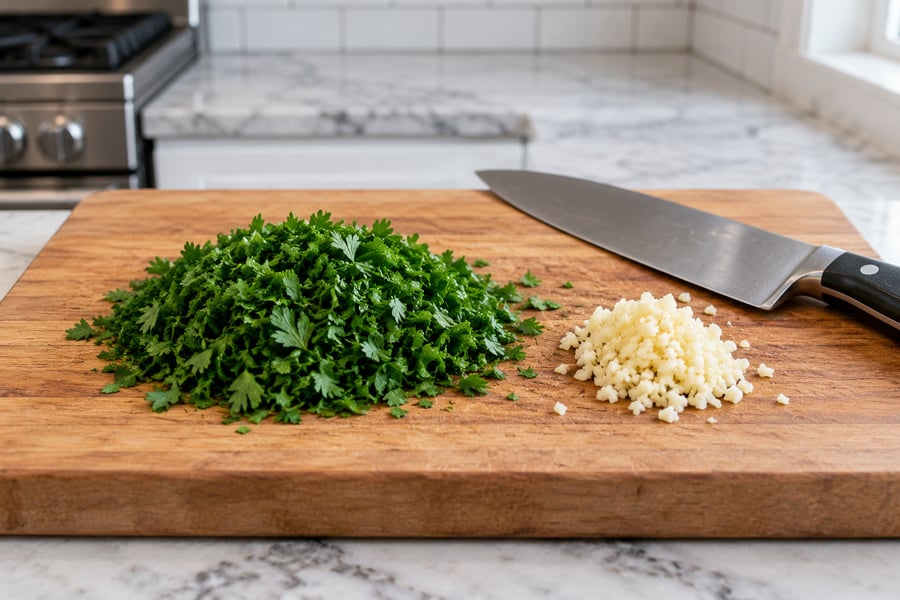
Add garlic, vinegar, oregano, chili flakes, salt, and pepper to the parsley. Stir well and let stand for 5 minutes so the dried oregano and chili can begin hydrating.
Advertisement
Stir in the oil
Pour in the olive oil and stir with a spoon until evenly distributed. Taste a small spoonful and adjust salt, vinegar, or chili to your preference. Let stand for another 10 minutes for flavor, then stir again before using.
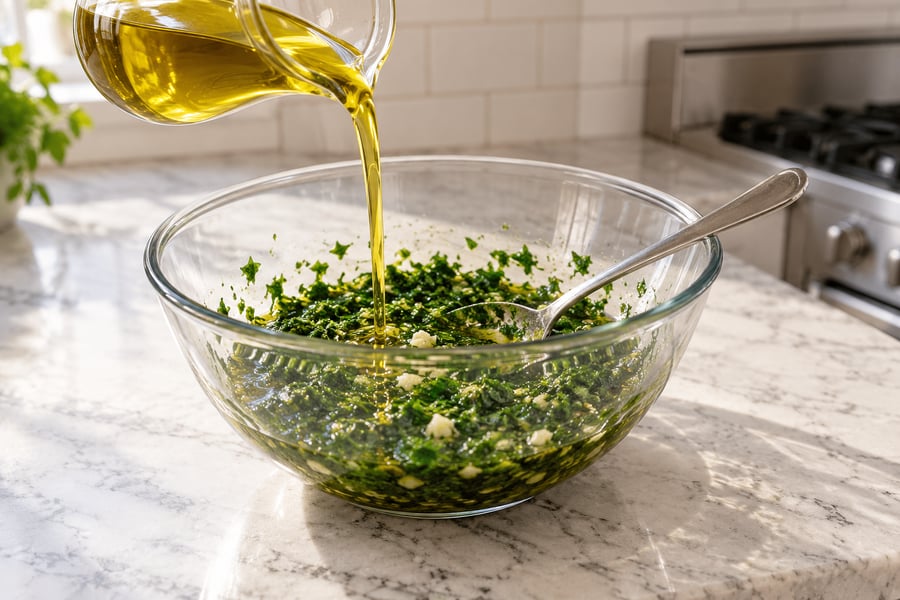
Serve or refrigerate
Spoon a little over cooked steak, chicken, beans, or vegetables, keeping uncooked sauce separate from raw meat. Refrigerate promptly in a clean covered container at 40 F (4 C) or below and use within 4 days, or freeze portions. The vinegar amount here is not a tested preservation process; do not store this fresh garlic-and-herb oil sauce at room temperature.
Advertisement
Chef's Tips
- •Dry the parsley and use a knife for a textured sauce.
- •Stir before serving because the oil and vinegar separate.
- •Refrigerate promptly and use within 4 days; do not store on the counter.
- •Use a sharp knife and small chopping strokes instead of bruising the herbs into a wet paste.
- •Let dried oregano soften in the vinegar mixture before adding oil; stir again before serving.
- •Reserve clean sauce for the table. A spoon or brush that touched raw meat must not go back into that serving bowl.
Frequently Asked Questions
Does chimichurri need cilantro?
This parsley-based version does not use cilantro. Other versions vary, but no substitution is needed to make this recipe without it.
Can I make it in a food processor?
You can pulse the parsley and garlic briefly, then stir in the remaining ingredients by hand. Stop before the herbs turn into a smooth paste.
Can I freeze chimichurri?
Yes. Freeze small portions in a suitable covered container, then thaw in the refrigerator. The herbs may soften and the color may darken, but the sauce can still be used.
Can I use dried parsley instead of fresh?
Not as a cup-for-cup replacement. Fresh parsley supplies the texture and volume of this sauce; dried parsley produces a substantially different result.
Why does my chimichurri separate?
Oil and vinegar naturally separate in this hand-stirred sauce. Stir before spooning rather than blending continuously to force it into a smooth emulsion.
Does the vinegar make it shelf-stable?
No. The listed vinegar quantity is for flavor, not a validated preservation process. Keep the fresh garlic-and-herb sauce refrigerated, use within 4 days, or freeze portions.
Tags
Advertisement
Reviews (0)
Sign in to leave a review and rating!
You Might Also Like
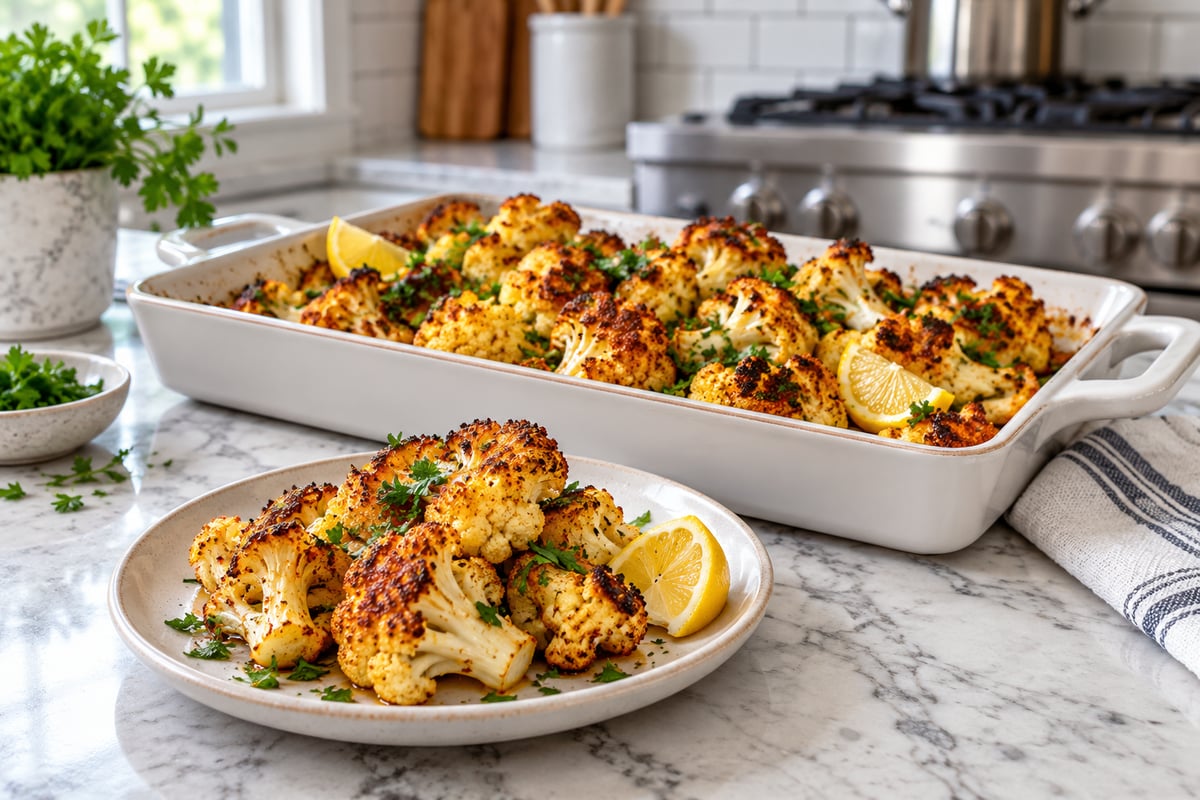
Roasted Cauliflower with Lemon and Paprika
Roast cauliflower at high heat for browned edges and tender centers. This simple lemon-paprika side includes pan-spacing tips and a reliable oven temperature.
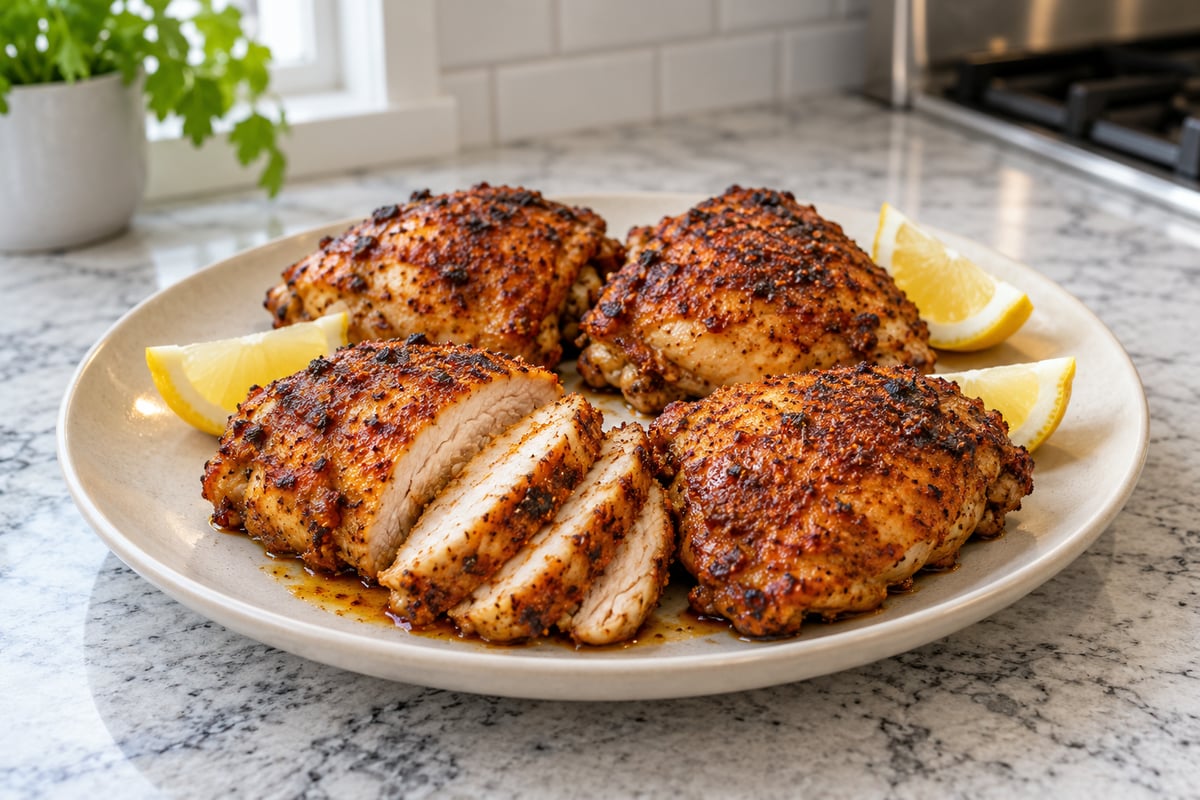
Air Fryer Boneless Chicken Thighs
Boneless skinless chicken thighs with a smoky spice rub, cooked in the air fryer. Includes batch-size, thermometer, and resting instructions.

Grilled Salmon
Perfectly grilled salmon fillet with lemon herb butter, crispy skin and tender flaky interior